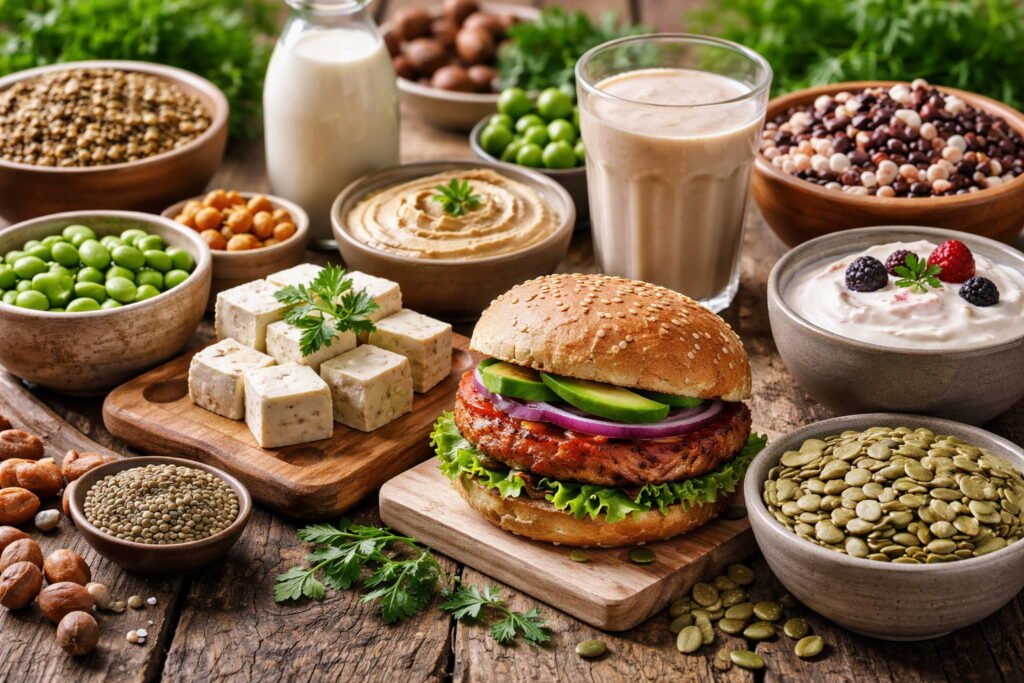
Plant-based protein trends replacing animal protein in 2026 reflect more than a food preference—they signal a structural change in how people think about health, sustainability, and long-term food security. Across global markets, plant-derived proteins are no longer niche alternatives. They are becoming mainstream replacements for animal protein in daily meals, packaged foods, and foodservice menus.
Rising awareness of chronic disease, environmental strain, and ethical sourcing has accelerated this transition. Consumers are actively reducing reliance on meat, dairy, and eggs while seeking protein sources that deliver nutrition, flavor, affordability, and transparency. In 2026, innovation has reached a point where plant-based protein is not only comparable to animal protein—it often performs better in key areas.
This shift is especially visible among flexitarians, health-driven eaters, and younger demographics who prioritize functional nutrition and sustainability without compromise. The result is a new protein economy built around plants, fermentation, and advanced food technology.
In This Article
Consumer Demand Driving Plant-Based Protein Trends Replacing Animal Protein in 2026
Changing consumer behavior sits at the center of plant-based protein trends replacing animal protein in 2026. Rather than strict veganism, the strongest growth comes from consumers intentionally reducing animal protein intake while still prioritizing protein quality.
Key demand drivers shaping 2026
- Health optimization linked to lower saturated fat and cholesterol intake
- Digestive comfort from cleaner, allergen-aware protein sources
- Price sensitivity, as animal protein costs fluctuate globally
- Climate awareness, especially among Gen Z and Millennials
According to global food market data, flexitarian consumers now outnumber both vegans and vegetarians combined. These consumers are not abandoning animal protein entirely, but they are actively replacing it with plant-based options in everyday meals such as:
- Breakfast smoothies and protein bowls
- Lunch-ready meals and snacks
- Meatless dinners during the workweek
“Consumers no longer ask whether plant-based protein is adequate. They ask whether animal protein is necessary.”
— Global Food Innovation Analyst, 2026
Consumer expectations have evolved
Taste and texture used to be major barriers. In 2026, expectations center on:
- Protein density per serving
- Clean ingredient lists
- Familiar culinary performance
- Minimal processing
Plant-based protein products that meet these standards are actively displacing animal protein rather than competing alongside it.
Ingredient Innovation Powering Plant-Based Protein Trends Replacing Animal Protein in 2026
Behind the rapid adoption of plant-based protein trends replacing animal protein in 2026 lies a wave of ingredient innovation that has transformed how plant proteins function, taste, and nourish.
Next-generation plant protein sources
Modern formulations rely less on single-source proteins and more on strategic blends that improve amino acid balance and bioavailability.
| Protein Source | Key Advantage | Common Applications |
| Pea protein | High lysine content | Meat alternatives, shakes |
| Fava bean protein | Neutral flavor | Dairy-free yogurt, spreads |
| Chickpea protein | Smooth texture | Baked goods, pasta |
| Pumpkin seed protein | Mineral-rich | Snacks, functional foods |
| Fermented soy | Enhanced digestibility | Protein beverages |
Breakthroughs driving replacement
- Enzymatic processing improves solubility and absorption
- Fermentation techniques reduce off-notes and anti-nutrients
- Cold-processing methods preserve natural micronutrients
Unlike earlier generations, these proteins are designed to replicate the functional roles of animal protein, including binding, emulsification, and mouthfeel. This allows manufacturers to replace animal protein without sacrificing product quality.
Clean-label momentum
Consumers in 2026 increasingly reject overly processed foods. Ingredient innovation now focuses on:
- Shorter ingredient lists
- Recognizable plant sources
- Transparent sourcing
Plant-based protein is no longer about imitation—it’s about performance and purpose.
Sustainability and Climate Impact Behind Plant-Based Protein Trends Replacing Animal Protein in 2026
Environmental pressure has become a decisive force behind plant-based protein trends replacing animal protein in 2026. Food systems now sit at the center of climate discussions, with protein production under particular scrutiny. Animal agriculture remains one of the most resource-intensive sectors globally, prompting governments, corporations, and consumers to seek scalable alternatives.
Why sustainability accelerates protein replacement
Plant-based protein production consistently requires fewer natural resources while delivering comparable nutritional output. In 2026, sustainability metrics are no longer abstract concepts—they are measurable, reported, and audited across supply chains.
| Impact Metric | Animal Protein | Plant-Based Protein |
| Land use | Very high | Significantly lower |
| Water consumption | Intensive | Reduced by up to 70% |
| Greenhouse gas emissions | Major contributor | Fraction of animal protein |
| Feed conversion efficiency | Low | High |
Protein replacement is increasingly viewed as a systems-level solution, not a lifestyle choice. Food manufacturers are under pressure to reduce Scope 3 emissions, making plant-based protein an immediate and effective strategy.
Corporate and policy alignment
- Food brands commit to climate targets linked directly to protein sourcing
- Retailers prioritize lower-emission product portfolios
- Public institutions adopt plant-forward menus to meet sustainability goals
Replacing animal protein with plant-based alternatives is now framed as a climate action, not a compromise.
Nutritional Advances Making Plant Proteins Competitive With Animal Protein in 2026
Nutrition once represented the strongest argument in favor of animal protein. That gap has narrowed dramatically. In 2026, plant-based protein trends replacing animal protein are supported by robust nutritional science and formulation precision.
Protein quality improvements
Modern plant-based proteins now achieve:
- Complete amino acid profiles through strategic blending
- Improved digestibility scores, rivaling whey and egg protein
- Lower inflammatory markers compared to high animal protein intake
Blended plant proteins combine complementary amino acids, eliminating past deficiencies without relying on synthetic additives.
Functional nutrition advantages
Plant-based proteins offer benefits beyond muscle maintenance:
- Higher fiber content supporting gut health
- Naturally occurring antioxidants and phytonutrients
- Lower saturated fat and zero dietary cholesterol
| Nutritional Aspect | Animal Protein | Advanced Plant Protein |
| Amino acid completeness | Naturally complete | Achieved via blends |
| Fiber content | None | Moderate to high |
| Cholesterol | Present | Zero |
| Digestive tolerance | Variable | Generally higher |
“Protein quality is no longer defined solely by origin but by formulation and bioavailability.”
— Registered Dietitian, Functional Nutrition Council
Targeted fortification
Micronutrients traditionally associated with animal protein—such as iron, zinc, and vitamin B12—are now reliably incorporated into plant-based protein products, closing the nutritional gap while maintaining clean-label integrity.
Food Technology Shaping Plant-Based Protein Trends Replacing Animal Protein in 2026
Technological progress has become the backbone of plant-based protein trends replacing animal protein in 2026. Advances in food science allow plant proteins to perform at levels previously exclusive to animal-derived ingredients.
Key technologies transforming protein replacement
- Precision fermentation enhances protein structure and flavor
- Shear-cell and extrusion technologies replicate meat-like texture
- Protein fractionation improves purity and functionality
These technologies enable plant-based proteins to behave predictably during cooking, freezing, and storage—an essential requirement for mass adoption.
Scalability and consistency
Earlier plant-based products struggled with variability. In 2026:
- Ingredient consistency matches industrial animal protein standards
- Production costs continue to decline due to scale efficiencies
- Shelf stability improves across multiple product formats
Real-world application success
Plant-based proteins now dominate several high-volume categories:
- Ready meals
- Protein beverages
- Meat analogs used in foodservice
Technology has shifted the narrative from “alternative protein” to “next-generation protein.”
Market Categories Where Plant-Based Protein Is Replacing Animal Protein in 2026
Clear patterns show where plant-based protein trends replacing animal protein in 2026 are gaining the strongest momentum. Replacement is no longer experimental. It is concentrated in specific food categories where plant-based protein delivers equal or superior performance compared to animal-derived options.
High-growth categories leading protein replacement
Meat alternatives and hybrid formats
Plant-based protein now replaces animal protein most effectively in ground, minced, and formed products. Burgers, sausages, and meatballs benefit from advanced protein structuring that delivers familiar bite and juiciness.
Dairy-free protein products
Milk, yogurt, and cheese alternatives have shifted from niche to routine purchases. Protein-fortified oat, soy, and pea beverages now meet or exceed the protein content of dairy milk while eliminating lactose and cholesterol.
Ready-to-eat and convenience foods
Time-poor consumers drive adoption in frozen meals, shelf-stable bowls, and grab-and-go snacks. Plant-based protein allows manufacturers to extend shelf life while maintaining nutritional density.
| Food Category | Replacement Level in 2026 | Key Reason |
| Plant-based burgers | High | Texture and flavor parity |
| Protein beverages | Very high | Digestibility and convenience |
| Dairy alternatives | High | Lactose-free nutrition |
| Frozen meals | Moderate to high | Shelf stability |
| Snack bars | Very high | Protein density |
Foodservice adoption
Restaurants and institutional kitchens now treat plant-based protein as a default option rather than a specialty item. This shift accelerates consumer familiarity and normalizes protein replacement across daily eating occasions.
Plant-based protein succeeds where it integrates seamlessly into existing eating habits.
Challenges Slowing Plant-Based Protein Trends Replacing Animal Protein in 2026
Despite strong momentum, plant-based protein trends replacing animal protein in 2026 still face measurable constraints. Understanding these challenges provides realistic context and highlights where innovation continues to focus.
Cost and supply-chain pressure
Although prices have declined, plant-based protein remains more expensive in certain regions due to:
- Limited local crop production
- Processing infrastructure gaps
- Dependence on imported protein isolates
Cost parity with animal protein remains uneven across global markets.
Consumer perception hurdles
Some consumers remain skeptical about:
- Processing levels
- Ingredient unfamiliarity
- Nutritional equivalence
Clear labeling and education remain critical to building trust and reducing misinformation.
Regulatory and labeling complexity
Protein labeling laws differ by region, creating friction for global brands. Terminology around “protein quality,” “meat alternatives,” and “plant-based” continues to evolve, affecting market consistency.
| Challenge | Impact on Adoption | Industry Response |
| Higher price points | Slower mass adoption | Scale-driven cost reduction |
| Processing concerns | Consumer hesitation | Cleaner formulations |
| Labeling restrictions | Market fragmentation | Regulatory engagement |
“Plant-based protein growth depends on transparency as much as technology.”
— Global Food Policy Expert
These challenges do not reverse the trend. They shape the next phase of refinement as plant-based protein continues to replace animal protein more efficiently and credibly.
How Brands Are Positioning for Plant-Based Protein Trends Replacing Animal Protein in 2026
Brand strategy has become a decisive factor in accelerating plant-based protein trends replacing animal protein in 2026. The most successful companies no longer market plant-based protein as an alternative lifestyle product. Instead, they position it as a default protein choice grounded in performance, nutrition, and value.
Strategic shifts defining winning brands
Protein-first messaging
Brands emphasize grams of protein per serving, amino acid completeness, and functional benefits rather than leading with ethical language alone. This reframes plant-based protein as nutritionally serious.
Ingredient transparency and trust
Clear sourcing, minimal processing claims, and recognizable plant ingredients dominate packaging and digital content. Transparency has become a competitive advantage.
Culinary familiarity
Products are designed to fit existing food habits rather than reinvent them. Plant-based protein appears in:
- Traditional recipes with direct animal protein swaps
- Regional and culturally familiar meals
- Simple, everyday formats rather than novelty foods
Reformulation replacing animal protein
Many brands no longer launch “plant-based” product lines. Instead, they quietly replace animal protein within existing products to reduce emissions and costs while maintaining consumer loyalty.
| Brand Strategy | Purpose | Outcome |
| Protein blending | Improve nutrition | Higher acceptance |
| Silent reformulation | Reduce friction | Stable sales |
| Sustainability proof | Build trust | Long-term loyalty |
Plant-based protein succeeds fastest when consumers do not feel they are making a sacrifice.
Future Outlook: What Comes Next After Plant-Based Protein Trends Replacing Animal Protein in 2026
Looking beyond the current wave, plant-based protein trends replacing animal protein in 2026 represent a foundation rather than an endpoint. The protein market is moving toward coexistence models where animal protein becomes more selective, while plant-based protein dominates daily consumption.
What the next phase looks like
- Plant-based protein becomes the primary protein source in packaged foods
- Animal protein shifts toward premium, occasional consumption
- Hybrid products blend plant and animal proteins to balance cost and sustainability
Long-term impact on food systems
Supply chains increasingly prioritize crops optimized for protein yield rather than commodity use. Investment flows into fermentation, regenerative agriculture, and regional protein infrastructure.
“The future of protein is not about elimination, but intelligent replacement at scale.”
— Food Systems Researcher, 2026
Global organizations now recognize plant-based protein as a critical lever for climate resilience and food security. The Food and Agriculture Organization highlights plant-forward diets as essential for sustainable nutrition systems, reinforcing the direction of this shift .
Final perspective
Plant-based protein is no longer defined by what it replaces. In 2026, it stands as a nutritionally competitive, environmentally efficient, and commercially scalable protein solution reshaping how the world eats—one product at a time.
You might reference findings from a peer-reviewed scientific review on plant proteins as alternatives to animal proteins: Plant-based protein products as alternatives to animal protein — Molecular review article: https://www.mdpi.com/1420-3049/28/10/4016
This source offers valuable scientific insights on the technology, properties, and health benefits of plant-based proteins as they are increasingly developed to replace animal protein in global food systems.