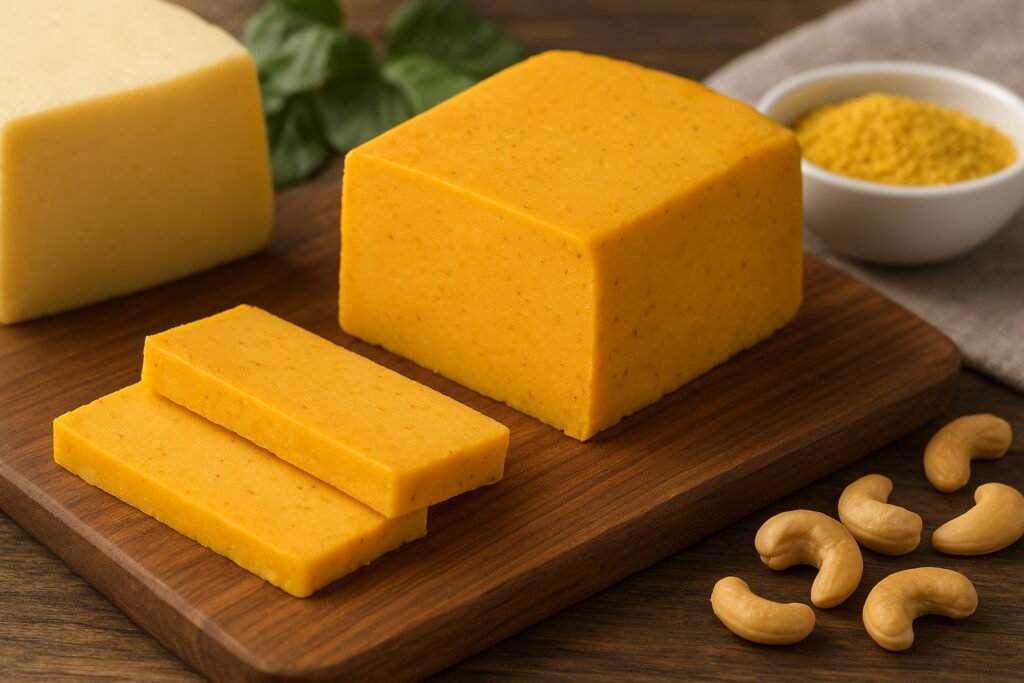
Paleo cheddar cheese has become one of the most talked-about innovations in the dairy-free world. People following the paleo lifestyle already know how challenging it can be to recreate familiar flavors without grains, legumes, or dairy, yet cheddar remains one of the most missed ingredients for comfort cooking. This guide breaks down how paleo cheddar works, why it’s different from the traditional version, and what you can expect when crafting or buying it.
For many, cheddar cheese represents warmth, richness, and versatility. Paleo eaters, however, typically avoid dairy because it wasn’t part of ancestral diets and often causes inflammation or digestive discomfort. A paleo cheddar alternative fills that gap by offering familiar flavor notes—sharpness, creaminess, and tang—without relying on cow’s milk.
What you’ll learn in this article:
- How paleo cheddar cheese compares to standard dairy cheddar
- Ingredients that build flavor and texture
- Methods to create your own version at home
- Practical uses and nutritional differences
In This Article
What Makes Cheddar… and What Makes Paleo Cheddar Cheese Different?
Understanding Traditional Cheddar
Regular cheddar cheese is typically produced through:
- Culturing milk
- Coagulating with rennet
- Pressing curds
- Aging to develop sharpness
Its signature traits come from casein (milk protein), butterfat, and bacteria that create the iconic tang.
How Paleo Cheddar Cheese Deviates from the Classic
A paleo version cannot use dairy, so the elements that create flavor and texture must be reimagined. Instead of casein and milk fat, paleo cheddar substitutes rely on:
- Ground nuts (often cashews or almonds)
- Vegetables like carrots or potatoes for body and color
- Nutritional yeast for a cheesy aroma
- Coconut cream or coconut oil for neutral creaminess
- Apple cider vinegar or lemon juice for tang
- Spices such as turmeric or smoked paprika for depth
The magic of paleo cheddar cheese lies in building illusion—capturing the essence of cheddar without the biological processes that define real cheese.
Key Similarities and Differences at a Glance
| Feature | Traditional Cheddar | Paleo Cheddar Cheese |
| Dairy content | 100% dairy | 0% dairy |
| Main flavor source | Fermented milk | Nutritional yeast, acids, spices |
| Texture creation | Casein + fat | Starches + nuts + coconut |
| Color | Natural or annatto-dyed | Carrot, turmeric, or paprika |
| Paleo-friendly | No | Yes |
Why Paleo Cheddar Works for Some Diets
While traditional cheddar still offers nutritional benefits, paleo cheddar appeals to:
- People with lactose intolerance
- Individuals avoiding inflammatory foods
- Paleo, Whole30 (depending on ingredients), and dairy-free lifestyles
- Home cooks seeking nutrient-dense plant-based cheese alternatives
Key Ingredients Used to Create Paleo Cheddar Cheese
Paleo cheddar cheese relies heavily on natural, whole-food ingredients that mimic the creaminess and sharpness of dairy cheddar. Each ingredient plays a strategic role, supporting texture, color, or flavor.
Nuts and Seeds
Most paleo cheddar cheese bases start with nuts because they create a buttery, rich foundation.
Common options:
- Cashews: Provide mild flavor and silky body
- Macadamias: Offer high fat and ultra-creamy texture
- Blanched almonds: Slightly firmer, excellent for block-style cheese
These nuts soften easily and blend into smooth pastes, creating the backbone of the cheese.
Vegetables That Build Body
Vegetables help support structure and color while keeping the recipe clean and nutritious.
Often-used ingredients:
- Carrots: Natural orange hue
- Red bell peppers: Sweet notes and soft color
- Potatoes or sweet potatoes: Enhance firmness and thicken the mixture
A small amount can dramatically influence the final look and feel.
Flavor Builders
To get cheddar’s complexity, multiple elements must work together:
- Nutritional yeast: Delivers savory, cheesy depth
- Apple cider vinegar: Adds bite
- Lemon juice: Brightens flavor profile
- Sea salt: Balances richness
- Mustard powder: Provides tang reminiscent of aged cheddar
Texture Enhancers
A paleo cheddar block needs structure—something that mimics the firmness of real cheese.
Popular paleo thickeners:
- Tapioca starch for stretchiness
- Arrowroot starch for elasticity
- Agar agar for sliceable firmness
These natural binders allow paleo cheddar to hold shape, melt gently, or grate depending on the ratios used.
Healthy Fats
Creaminess comes from fats such as:
- Coconut milk
- Coconut oil
- Avocado oil (neutral option)
These help replicate the richness of dairy cheddar without overpowering the flavor.
Allergy-Friendly Alternatives
For individuals sensitive to nuts, seeds or vegetable-based blends can be used instead:
- Cauliflower
- Carrot purée
- Pumpkin
This ensures paleo cheddar cheese remains accessible even for those with specific restrictions.
The Science Behind Making Cheese Without Dairy
Crafting paleo cheddar cheese requires rethinking everything we know about traditional cheesemaking. Since dairy is excluded, the goal becomes recreating the sensory experience—flavor, texture, and color—using plants and natural binders.
How Texture Is Formed
Dairy cheddar relies on casein proteins that bind and firm during aging. In paleo cheddar cheese, that structure must come from alternative agents:
- Agar agar creates a gel-like firmness suitable for sliceable blocks.
- Tapioca starch adds elasticity and mild stretch, giving paleo cheddar a pleasant melt-like effect.
- Arrowroot improves the smoothness and gives a light, glossy finish.
These components allow the mixture to maintain shape, cool into a solid form, and soften gently under heat—similar to processed dairy cheeses.
Building Cheddar Flavor Without Fermentation
Traditional cheddar’s sharpness comes from bacterial activity during aging. To mimic this flavor profile, paleo cheddar cheese combines naturally tangy and savory ingredients:
- Nutritional yeast adds umami richness
- Vinegar or lemon juice provides acidity
- Mustard powder and paprika contribute sharp, warm notes
- Garlic and onion powder introduce complexity
This layered approach results in a cheddar-like tang without needing the fermentation process used in dairy cheeses.
Color Creation and Natural Pigments
Cheddar’s classic golden tone is often achieved with annatto. Paleo varieties rely on vegetables and spices instead:
- Carrots create warm orange tones
- Turmeric gives a deeper, golden color
- Paprika adds subtle redness and smoky aroma
By adjusting amounts, you can control whether your paleo cheddar cheese appears mild yellow or deep sharp-orange.
Step-by-Step Guide: How to Make Homemade Paleo Cheddar
Creating homemade paleo cheddar cheese is surprisingly accessible. Below is a reliable method for producing a sliceable, flavorful block suitable for grating, melting, or snacking.
Ingredients
- 1 cup cashews (soaked 2–4 hours)
- 1½ cups water or coconut milk
- 2 tbsp nutritional yeast
- 1 tbsp apple cider vinegar
- 2 tsp lemon juice
- 1 tsp paprika
- ½ tsp turmeric
- 1 tbsp tapioca starch
- 1 tbsp arrowroot starch
- 1 tbsp agar agar powder
- 1–2 tsp sea salt
- Optional: roasted red pepper, mustard powder, garlic powder, smoked paprika
Equipment
- High-speed blender
- Medium saucepan
- Heatproof mold or glass container
- Silicone spatula
Directions
Blend the Base
Combine soaked cashews, water (or coconut milk), nutritional yeast, vinegar, lemon juice, and seasonings in a blender. Blend until completely smooth.
Activate the Agar Agar
In a saucepan, whisk agar agar with an additional ½ cup water. Simmer until it dissolves completely, forming a thick gel.
Cook the Mixture
Pour the blended cashew mixture into the saucepan. Whisk in tapioca and arrowroot starches. Heat over medium, stirring continuously until the mixture thickens into a glossy, stretchy mass. This stage determines final texture.
Shape the Cheese
Transfer the mixture into a mold or container. Smooth the top with a spatula and let it cool for 30 minutes. Refrigerate for 2–4 hours to allow it to set fully.
Store Properly
Keep paleo cheddar cheese refrigerated in an airtight container for up to 7 days. It can also be frozen for longer storage, though freezing may slightly alter texture.
Tips for Better Results
- Add more agar agar for firmer cheese.
- Reduce liquids if you prefer a thicker block.
- Include smoked paprika for sharper “aged” notes.
- For nut-free versions, swap cashews for cooked carrots, cauliflower, or pumpkin.
Flavor Variations and Customizations for Paleo Cheddar
Paleo cheddar cheese is incredibly flexible. With small changes, you can create versions that suit different recipes, preferences, or dietary needs.
Mild Paleo Cheddar
- Reduce paprika
- Increase coconut milk for creaminess
- Add a small amount of carrot purée for gentle color
Sharp Paleo Cheddar
- Add extra lemon juice or vinegar
- Increase nutritional yeast for deeper umami
- Incorporate mustard powder for tang
Smoky Paleo Cheddar
- Add smoked paprika or liquid smoke (ensure it’s paleo-compliant)
- Blend roasted red pepper for richer flavor
Spicy Paleo Cheddar
- Mix in minced jalapeño
- Add cayenne or chipotle
- Boost heat gradually to avoid overpowering other flavors
Herb-Infused Paleo Cheddar
- Mix in dried rosemary, thyme, or dill
- Add fresh chives before cooling
- Delicious for cracker spreads and vegetable dips
Nutritional Breakdown: How Paleo Cheddar Compares to Dairy Cheddar
Paleo cheddar cheese offers a noticeably different nutritional profile from traditional dairy cheddar. Since it’s made from nuts, vegetables, fats, and natural thickeners, the nutrient distribution shifts toward plant-based proteins, healthy fats, and micronutrients that aren’t found in dairy.
Macronutrient Comparison
Below is a general comparison per 1-ounce (28g) serving:
| Nutrient | Dairy Cheddar Cheese | Paleo Cheddar Cheese (Cashew-Based) |
| Calories | ~115 kcal | ~80–95 kcal |
| Total Fat | ~9g (mostly saturated) | 6–8g (primarily unsaturated) |
| Carbs | <1g | 6–10g |
| Protein | ~7g | 2–4g |
| Fiber | 0g | 1–2g |
| Lactose | Yes | 0g |
Micronutrient Highlights
Paleo cheddar cheese often includes ingredients naturally rich in vitamins:
- Cashews: Magnesium, copper, vitamin K
- Turmeric: Curcumin (anti-inflammatory compounds)
- Nutritional yeast: B vitamins, including B6 and folate
- Carrots or sweet potatoes: Beta carotene
Dairy cheddar is higher in:
- Calcium
- Vitamin A (retinol form)
- Vitamin B12
Both can have a place in a balanced diet, but paleo cheddar cheese is particularly beneficial for people who prefer nutrient-dense plant foods or cannot tolerate lactose.
Who Benefits Most Nutritionally
- Individuals with dairy sensitivities
- Paleo and dairy-free followers
- People reducing saturated fat intake
- Those looking for anti-inflammatory recipe components
Since paleo cheddar cheese is based on whole foods and healthy fats, it’s often considered a lighter, cleaner alternative to traditional cheddar.
How to Use Paleo Cheddar Cheese in Recipes
Paleo cheddar cheese behaves differently from dairy cheddar, but it integrates beautifully into many dishes when used correctly. Its creamy texture and savory flavor make it a versatile addition to both cold spreads and warm recipes.
Melting Capabilities
Paleo cheddar does not melt in the same way as dairy cheese because it lacks casein. Instead, it softens and becomes creamy when heated.
Great uses include:
- Sauces
- Casseroles
- Creamy soups
- Baked vegetable dishes
Top Culinary Uses
Here are practical and delicious ways to use paleo cheddar cheese:
Cheese Sauces & Dips
Blend with broth or coconut milk to create:
- Nacho cheese dip
- Creamy pasta sauce
- Broccoli “cheddar” soup
Toppings
Spoon or grate paleo cheddar cheese over:
- Chili
- Bunless burgers
- Stuffed peppers
- Baked potatoes (white or sweet potato)
Baking & Cooking Applications
- Mix into paleo casseroles for a rich, cheesy layer
- Melt onto sautéed vegetables
- Stir into scrambled eggs (if eggs are part of your paleo plan)
- Use in paleo mac-and-cheese with spiralized squash
Recipe-Specific Tip
If you want more stretch for pizza or casserole dishes, add:
- Extra tapioca starch (¼–½ tsp more per cup)
This gives a more elastic, cheese-like pull.
Store-Bought Paleo Cheddar Options
While homemade paleo cheddar cheese gives you full control of ingredients, several brands now offer dairy-free, paleo-friendly cheddar-style products. These options are helpful for quick meals or for readers who prefer convenience.
What to Look for on Labels
A product qualifies as paleo-friendly when it avoids:
- Dairy
- Soy
- Grains
- Legumes
- Preservatives and gums (depending on strictness)
Seek items made from whole-food ingredients such as:
- Cashews or almonds
- Coconut milk
- Sweet potatoes
- Nutritional yeast
- Spices and natural colorants
Popular Paleo-Friendly Brands
Although availability varies by region, here are companies known for clean, dairy-free cheeses often aligned with paleo standards:
- Miyoko’s Creamery (nut-based options, clean ingredients)
- Treeline (cashew cheeses with minimal additives)
- Nuttin’ Ordinary (simple ingredient lists)
- Kite Hill (almond-based, but check labels for gums depending on your paleo strictness)
Note: Always review the ingredient list, as some store-bought products may include stabilizers like xanthan gum, which stricter paleo followers avoid.
Pros and Cons of Store-Bought Paleo Cheddar
| Pros | Cons |
| Convenient and quick to use | Can be expensive |
| Consistent flavor and texture | May include additives |
| Variety of flavors available | Less control over salt and oils |
| Great for busy meal prep | Not always widely available |
Store-bought paleo cheddar cheese works well for those who want an easy dairy-free option without the prep time of homemade versions.
Troubleshooting Common Issues When Making Paleo Cheddar Cheese
Even with a well-tested recipe, paleo cheddar cheese can sometimes behave unpredictably, especially depending on ingredient brands, blending speeds, or cooking temperatures. Below are common issues and practical solutions to help you consistently achieve the perfect texture and flavor.
Paleo Cheddar Not Setting Properly
A cheese that stays too soft or gooey usually indicates that the thickening agents weren’t fully activated.
Fixes:
- Make sure agar agar is simmered long enough to dissolve into a clear, gel-like consistency.
- Increase agar agar by ½–1 teaspoon for a firmer block.
- Refrigerate at least 3–4 hours before slicing.
Grainy or Gritty Texture
This typically comes from nuts that weren’t fully blended.
Solutions:
- Soak cashews longer (4–6 hours or boil them for 10 minutes).
- Use a high-speed blender for an ultra-smooth base.
- Add a small splash of warm water while blending to achieve a silkier finish.
Flavor Not Resembling Cheddar
If your paleo cheddar cheese tastes flat or too vegetable-forward, the acidity, salt, or seasonings likely need adjustment.
Enhancement options:
- Add more nutritional yeast for deeper umami.
- Increase lemon juice or apple cider vinegar by ½ teaspoon.
- Add mustard powder or smoked paprika for sharper, “aged” notes.
Cheese Too Firm
When the cheese turns rubbery:
- Reduce agar agar slightly.
- Add 1–2 tablespoons extra liquid (water or coconut milk).
- Blend the mixture again before reheating.
Cheese Too Soft
When the cheese won’t hold a slice:
- Add ½ tablespoon tapioca starch.
- Increase agar agar slightly.
- Cook mixture longer until it becomes thicker and glossy.
Troubleshooting can actually help you understand how the ingredients behave, giving you more control and confidence when crafting your ideal paleo cheddar cheese.
Is Paleo Cheddar Cheese Worth It?
Choosing paleo cheddar cheese over dairy cheddar often comes down to your dietary goals and how much you value whole-food alternatives. Many people find that a well-crafted paleo cheddar delivers satisfying flavor with extra nutritional perks.
Evaluating Cost vs. Reward
Homemade paleo cheddar:
- Uses affordable ingredients like cashews, carrots, and spices
- Provides 6–8 servings per batch
- Costs significantly less than premium store-bought dairy-free cheeses
Store-bought paleo cheddar:
- Convenient and consistent
- Often pricier due to specialty ingredients and production methods
Taste Expectations vs. Traditional Cheddar
Paleo cheddar cheese does not perfectly mimic aged dairy cheddar, yet it offers:
- A creamy, tangy flavor
- Beautiful color
- Versatile uses in both cooked and cold dishes
Many readers appreciate that it doesn’t try to be dairy cheese—it becomes its own flavorful, wholesome alternative.
Who Benefits Most?
Paleo cheddar is especially valuable for:
- People avoiding dairy for health or ethical reasons
- Those following paleo or primal diet frameworks
- Individuals looking for anti-inflammatory food options
- Families wanting nutrient-rich alternatives for kids
A simple quote from a paleo home cook sums it up well:
“It doesn’t taste like dairy cheddar—but it tastes like something even better: comfort food without consequences.”
Final Thoughts on Paleo Cheddar Cheese
Paleo cheddar cheese blends creativity with nutrition, offering a dairy-free option that feels indulgent yet aligns with paleo principles. Whether you craft it at home or buy a ready-made version, this cheddar-style option brings back dishes you may have missed—nachos, casseroles, dips, and creamy sauces—without compromising your dietary goals.
Key Takeaways
- Paleo cheddar cheese replaces dairy with nuts, vegetables, and spices.
- It can be firm, sliceable, spreadable, or meltable depending on ingredients.
- Nutritionally, it highlights plant-based fats and micronutrients.
- Homemade versions give full control over taste, texture, and quality.
If you’re ready to explore more about nutritional yeast—which is central to the flavor of paleo cheddar cheese—this detailed guide from Healthline provides excellent additional insights:
Nutritional Yeast: Benefits, Uses, and Nutrition