Creating meals that support digestion while honoring ancestral nutrition can feel overwhelming, especially when trying to stay within the boundaries of low FODMAP paleo diet recipes. Yet with the right structure, the combination of these two approaches becomes a powerful way to soothe the gut, improve nutrient intake, and simplify eating habits.
The Paleo lifestyle eliminates modern processed foods in favor of whole, unrefined ingredients—meats, vegetables, fruits, nuts, seeds, and natural fats. When combined with the low FODMAP framework, which reduces fermentable carbohydrates known to trigger digestive distress, you get a roadmap that supports individuals dealing with IBS, bloating, or general gut sensitivity.
This article explores how these two worlds intersect and provides insights, practical knowledge, and recipes rooted in both ancestral eating and digestive wellness. The sections below help you understand why this combined approach is so effective, how to choose the right foods, and what benefits you may experience along the way.
In This Article
FODMAPs and Paleo Restrictions
Both diets aim to reduce stress on the body, but they approach it from different angles. Understanding how they merge is key to creating successful low FODMAP Paleo dishes.
What Are FODMAPs?
FODMAPs are short-chain carbohydrates that are prone to fermentation in the gut. They draw water into the intestines and can trigger symptoms in those with gut sensitivities. The main categories include:
| FODMAP Group | Description | Common High-FODMAP Foods |
| Fructose | Sugar found in fruits & honey | Apples, pears, watermelon |
| Lactose | Milk sugar | Milk, soft cheeses |
| Fructans | Found in veggies & grains | Wheat, garlic, onions |
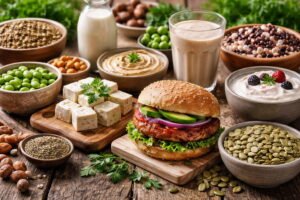
| Galactans | Legume-based carbs | Beans, lentils, soy |
| Polyols | Sugar alcohols | Mushrooms, cauliflower, stone fruits |
Where Paleo and Low FODMAP Overlap
The Paleo diet already removes grains, dairy, processed sugar, and legumes—all of which contain natural FODMAP triggers. However, many Paleo-friendly foods remain high in FODMAPs and need modifications.
High-Paleo but High-FODMAP Foods to Avoid:
- Garlic
- Onions
- Cauliflower
- Mushrooms
- Apples
- Cashews
- Honey (in large amounts)
Low FODMAP Paleo-Friendly Staples:
- Zucchini
- Carrots
- Spinach
- Strawberries
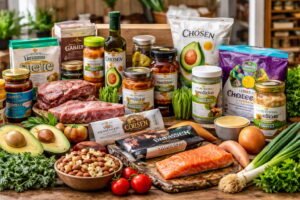
- Chicken, salmon, turkey
- Chives (garlic/onion alternative)
- Coconut oil & olive oil
Why People Combine These Two Diets
A large number of people who gravitate toward Paleo already struggle with inflammation, food intolerance, or digestive discomfort. Adding low FODMAP guidelines provides relief while still allowing nutrient-dense, whole-food eating.
Health Benefits of Low FODMAP Paleo Recipes
The combination of these two methods offers measurable improvements—not only in digestive comfort but in overall wellness. Many individuals report results within days or weeks of adopting a structured low FODMAP Paleo plan.
Key Benefits:
- Improved digestion: Reduced bloating, gas, and abdominal pain.
- Calmer gut environment: Lowered inflammation and fewer IBS flare-ups.
- Enhanced nutrient absorption: Whole foods support better micronutrient uptake.
- Cleaner energy: High-quality proteins and fats offer stable fuel.
- Improved insulin stability: Paleo reduces processed sugar, helping regulate blood sugar.
Case Study:
Maria, a 34-year-old yoga instructor, struggled with unpredictable bloating for nearly a decade. After switching to low FODMAP Paleo meals for 30 days, she reported clearer energy levels, consistent digestion, and reduced abdominal discomfort. She emphasized how simple ingredient swaps—such as replacing garlic with infused oils and choosing low-FODMAP vegetables—made her meal prep manageable and enjoyable.
Ingredient Essentials for Low FODMAP Paleo Cooking
Building delicious low FODMAP Paleo meals begins with understanding which ingredients support easy digestion without compromising flavor or nutrient density. The right pantry staples make cooking simpler and help you stay aligned with both dietary frameworks.
Low FODMAP Vegetables That Fit Paleo Guidelines
These vegetables offer versatility, color, and nutrition without triggering fermentation in the gut:
- Zucchini
- Carrots
- Bell peppers
- Spinach
- Bok choy
- Cucumbers
- Green beans
- Eggplant
- Lettuce varieties
These options sauté beautifully, roast well, and blend smoothly into soups. They also pair easily with meats and seafood, making them ideal for a wide variety of low fodmap paleo diet recipes.
Proteins That Anchor the Paleo Diet
Protein sources are naturally low in FODMAPs and provide the backbone of Paleo meals. Choose high-quality, minimally processed proteins:
- Chicken breast or thighs
- Turkey
- Salmon, tuna, sardines
- Grass-fed beef
- Lamb
- Eggs
Smoked or cured meats should be chosen carefully—opt for versions without added garlic, onion powder, or sweeteners.
Healthy Fats for Energy and Absorption
Paleo depends heavily on natural fats to support satiety and hormone health. Low FODMAP choices include:
- Extra-virgin olive oil
- Coconut oil
- Avocado oil
- Grass-fed ghee (lactose-free and generally tolerated)
These fats also help absorb fat-soluble vitamins A, D, E, and K.
Gut-Friendly Herbs and Spices
While garlic and onion are off-limits, there are still flavorful options:
- Chives (excellent onion substitute)
- Green onion tops (green parts only)
- Basil, thyme, rosemary, oregano
- Ginger
- Turmeric
- Cilantro
Quote: “Flavor doesn’t depend on garlic. It depends on technique.”
Using sautéed herbs, infused oils, fresh citrus, and homemade broths brings depth to low FODMAP Paleo meals.
Ingredients to Avoid
Understanding which foods fall outside both low FODMAP and Paleo boundaries prevents accidental flare-ups and helps maintain consistency in your diet.
Common Off-Limits Foods
| Food Category | Examples | Reason to Avoid |
| Grains | Wheat, barley, oats, rice | Not Paleo; contain gluten or high-carb load |
| Legumes | Lentils, beans, soy | High FODMAP + not Paleo |
| Dairy | Milk, soft cheese, yogurt | High lactose + not Paleo |
| High-FODMAP Vegetables | Garlic, onions, cauliflower, mushrooms | Trigger gut fermentation |
| High-FODMAP Fruits | Apples, pears, mango, cherries | Excess fructose |
| Sweeteners | Honey (large amounts), agave, high-fructose syrups | High in fructose |
| Nuts/Seeds | Cashews, pistachios | High in galactans |
These foods can quickly derail digestive progress. Many Paleo enthusiasts unknowingly consume ingredients like cauliflower or mushrooms, assuming they are always safe—yet these two are some of the most potent FODMAP triggers.
Hidden High-FODMAP Additives
Look for sneaky culprits on labels:
- Garlic powder
- Onion extract
- Apple cider concentrates
- Chicory root fiber
- Inulin
- Sugar alcohols like sorbitol, mannitol, xylitol
When in doubt, choose whole foods over packaged items.
Kitchen Tools That Make Prep Easier
Creating low FODMAP Paleo dishes becomes effortless when you have tools that streamline prep and maximize flavor. The right equipment doesn’t need to be expensive—just practical.
Helpful Tools
- Cast-iron skillet: Perfect for searing meats and sautéing veggies.
- Food processor: Speeds up chopping and shredding low FODMAP vegetables.
- Mandoline slicer: Ensures consistent veggie cuts for stir-fries and salads.
- Sheet pans: Ideal for batch-roasting proteins and vegetables.
- High-quality knives: Prevent bruising delicate veggies like zucchini and eggplant.
- Airtight glass containers: Essential for low FODMAP meal prep and keeping ingredients fresh.
Broth-Making Essentials
Since store-bought broths often contain garlic and onion, making your own becomes crucial. Keep these on hand:
- Chicken bones or beef bones
- Carrots
- Celery tops (not stalks, which are high-FODMAP in larger portions)
- Fresh herbs
- Salt and pepper
Why the Right Tools Matter
Case Example:
A home cook named Lea began preparing weekly low FODMAP Paleo meals but struggled with prep time and inconsistent results. After switching to a sharp chef’s knife, a cast-iron skillet, and pre-portioned containers, she cut her cooking time by 40% and found it easier to stay consistent with her meals.
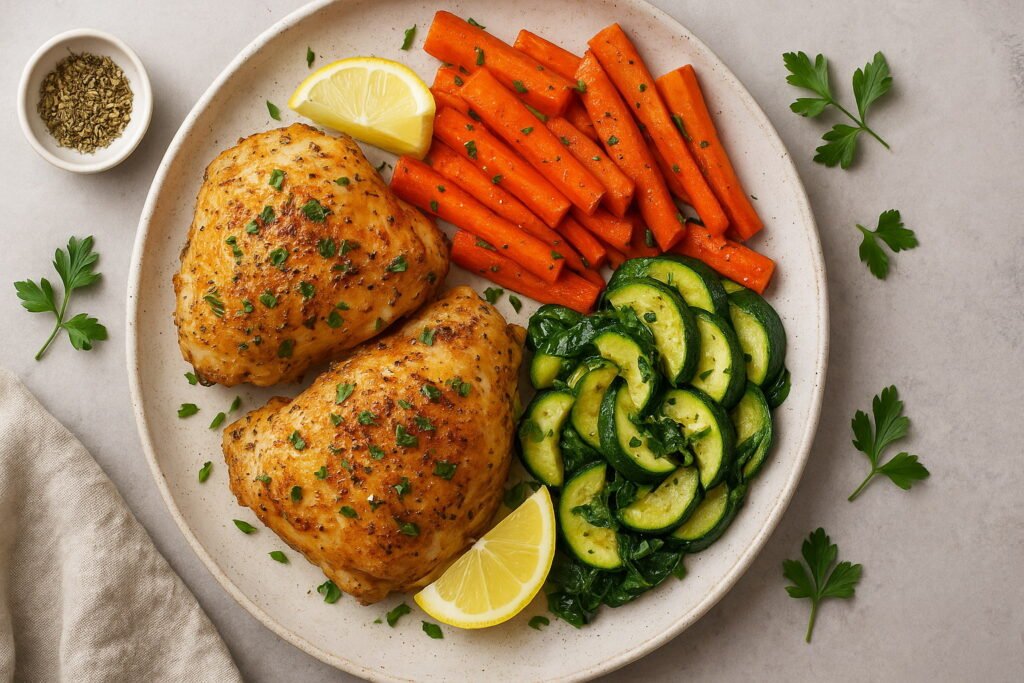
Recipe: Low FODMAP Paleo Lemon Herb Chicken
This dish brings brightness, tenderness, and a refreshing herbal aroma without using garlic or onions. It’s ideal for weeknight dinners, meal prep, or pairing with low FODMAP vegetables. The combination of citrus, herbs, and clean protein makes it one of the most reliable low fodmap paleo diet recipes for beginners.
Description
Lemon Herb Chicken delivers juicy, lightly crisped chicken infused with fresh herbs and citrus. It’s naturally Paleo and low FODMAP, yet packed with flavor thanks to smart seasoning techniques and the use of garlic-infused olive oil, which is allowed in low FODMAP diets.
Ingredients
- 4 chicken thighs or 2 large chicken breasts
- 2 tbsp garlic-infused olive oil
- Juice of 1 lemon
- Zest of ½ lemon
- 1 tbsp chopped fresh chives
- 1 tsp dried thyme
- 1 tsp dried oregano
- ½ tsp smoked paprika
- Salt and pepper to taste
- 1 tbsp chopped fresh parsley for garnish
Instructions
- Combine lemon juice, lemon zest, infused oil, thyme, oregano, paprika, and chives in a bowl.
- Add chicken and coat evenly. Marinate for 20–30 minutes.
- Heat a cast-iron skillet over medium heat.
- Sear chicken for 6–8 minutes per side until golden and cooked through.
- Let rest 3 minutes, then garnish with parsley.
Serving Suggestions
- Serve with roasted carrots, sautéed green beans, or a fresh spinach salad.
- Pair with cauliflower-free veggie mash made from carrots and sweet potatoes.
Storage
- Refrigerate in airtight glass containers for up to 4 days.
- Freeze for up to 2 months.
Recipe: Low FODMAP Paleo Ginger-Lime Salmon
This recipe blends tangy lime with warming ginger for a dish that tastes light yet nourishing. Rich in omega-3 fatty acids, salmon offers anti-inflammatory benefits that align perfectly with both Paleo and low FODMAP goals.
Why This Recipe Works
- Ginger is naturally low FODMAP and excellent for digestion.
- Lime brightens the fish without overpowering delicate flavors.
- Salmon cooks quickly and holds nutrients well.
Ingredients
- 2 salmon fillets
- 1 tbsp fresh grated ginger
- 1 tbsp lime juice
- 1 tbsp garlic-infused olive oil
- 1 tsp coconut aminos (Paleo soy sauce alternative)
- ¼ tsp turmeric
- Salt and pepper
- Lime zest for garnish
Instructions
- In a small bowl, whisk lime juice, infused oil, ginger, coconut aminos, turmeric, salt, and pepper.
- Brush mixture onto salmon.
- Bake at 400°F (205°C) for 12–14 minutes, or pan-sear for 4 minutes per side.
- Garnish with lime zest.
Variations
- Swap lime for lemon.
- Add chopped cilantro for extra freshness.
- Serve over zucchini noodles for a full Paleo-friendly meal.
Recipe: Low FODMAP Paleo Zucchini Carrot Stir-Fry
This colorful stir-fry is a fast, adaptable side dish or base for any protein. With crisp vegetables, bright herbs, and a clean cooking sauce, it’s a go-to option for building nutrient-rich low fodmap paleo diet recipes.
Description
A simple yet vibrant mix of carrots, zucchini, and greens sautéed in infused oil and coconut aminos. It’s perfect as a quick lunch or dinner side—ready in less than 15 minutes.
Ingredients
- 2 medium zucchini, sliced
- 2 large carrots, julienned
- 1 cup baby spinach
- 1 tbsp garlic-infused olive oil
- 1 tbsp coconut aminos
- ½ tsp ground ginger
- ½ tsp turmeric
- 1 tsp sesame seeds (optional)
- Chopped chives
Instructions
- Heat infused oil in a skillet over medium-high heat.
- Add carrots and sauté for 3 minutes.
- Add zucchini and cook until lightly softened.
- Stir in spinach, coconut aminos, ginger, and turmeric.
- Cook 1–2 more minutes, sprinkle with chives, and serve warm.
Tips for Maintaining Low FODMAP Safety
- Keep coconut aminos to small amounts (they are low FODMAP in limited portions).
- Avoid adding mushrooms or onion powder.
- Use only garlic-infused oil, not chopped garlic.
Recipe: Low FODMAP Paleo Sweet Potato Hash
Sweet potato hash is one of the most comforting dishes you can enjoy while staying within both Paleo and low FODMAP guidelines. It’s warm, hearty, and packed with color—perfect for breakfast, brunch, or a simple dinner. This version avoids high-FODMAP ingredients while keeping the texture crisp and satisfying.
Description
This hash combines diced sweet potatoes with low FODMAP vegetables, fresh herbs, and protein options of your choice. Light spices and garlic-infused oil bring depth without irritation, making it one of the most adaptable low fodmap paleo diet recipes for weekly meal planning.
Ingredients
- 2 medium sweet potatoes, peeled and cubed
- 1 red bell pepper, chopped
- 1 cup chopped spinach
- 2 tbsp garlic-infused olive oil
- ½ tsp smoked paprika
- ½ tsp dried thyme
- ½ tsp turmeric
- Salt and pepper to taste
- 2 eggs (optional, for serving)
- Fresh chives for garnish
Instructions
- Parboil sweet potato cubes for 5 minutes until slightly tender, then drain.
- Heat garlic-infused oil in a skillet over medium heat.
- Add sweet potatoes and cook 8–10 minutes until browned.
- Stir in bell pepper, thyme, paprika, and turmeric.
- Add spinach during the final 2 minutes of cooking.
- Top with eggs if desired and garnish with chives.
Serving Ideas
- Serve with grilled chicken or turkey sausage for a protein-rich breakfast.
- Add a squeeze of lemon juice for brightness.
Add-In Suggestions (Low FODMAP Safe)
- Diced green onion tops
- Fresh basil
- Diced zucchini
- Pine nuts (small amounts)
Tips for Customizing Low FODMAP Paleo Recipes
Even within two structured diet frameworks, there is room for creativity. These tips help you adapt meals based on ingredients you have on hand or specific digestive needs.
Enhancing Flavor Without Garlic & Onion
- Use garlic-infused oil to safely mimic garlic flavor.
- Add chives, leek greens, or scallion tops for onion-like depth.
- Roast herbs like thyme or rosemary to release aromatic oils.
- Pair citrus zest (lime, lemon, orange) with proteins for vibrant flavor.
Safe Swaps for Common Ingredients
| Common Ingredient | Paleo? | FODMAP? | Low FODMAP Paleo Swap |
| Honey | Yes | High | Maple syrup (small amounts) |
| Almond flour | Yes | Moderate | Use sparingly; or coconut flour |
| Cauliflower rice | Yes | High | Zucchini “rice” or carrot rice |
| Soy sauce | No | High | Coconut aminos |
| Regular broth | Yes | Often high | Homemade broth without onion/garlic |
Balancing Macronutrients
To maintain satisfaction and energy:
- Protein: anchor each meal with poultry, fish, eggs, or beef.
- Healthy fats: add olive oil, avocado oil, ghee.
- Carbs: stick to low FODMAP produce like carrots, sweet potatoes (limited portions), zucchini, berries.
Quote: “The best recipes aren’t complicated; they’re intentional.”
Mindful ingredient choices make low FODMAP Paleo cooking both simple and flavorful.
Meal Prep & Storage Tips
Meal prepping empowers consistency on any structured diet, and it’s especially useful when following low fodmap paleo diet recipes. With a little planning, you can prevent accidental FODMAP overload and keep meals fresh throughout the week.
How Long Foods Keep
| Food Type | Refrigerator | Freezer |
| Cooked chicken/turkey | 3–4 days | 2–3 months |
| Cooked salmon | 2–3 days | 1–2 months |
| Roasted vegetables | 4 days | Not recommended for all veggies |
| Sweet potato hash | 3–4 days | 1 month |
| Low FODMAP sauces/marinades | 5–7 days | 2 months |
Portioning Ideas
- Divide meals into glass containers with three compartments.
- Use silicone cups for sauces or coconut aminos.
- Store raw chopped veggies separately to prevent sogginess.
Make-Ahead Sauces & Marinades
These keep meals fresh and add instant flavor:
- Lemon-herb marinade
- Ginger-lime sauce
- Garlic-infused olive oil + chive dressing
- Turmeric coconut drizzle (using canned coconut milk)
Avoiding Common Meal Prep Mistakes
- Avoid mixing wet and dry ingredients until serving.
- Don’t prep apples, pears, or high-FODMAP fruits; they can cause symptoms.
- Label containers with dates to stay organized and safe.
For deeper guidance on low FODMAP food lists, you can explore resources such as the Monash University FODMAP program, available at their official website: https://www.monashfodmap.com.
Common Mistakes to Avoid
Even with the best intentions, it’s easy to slide off track when combining two structured eating styles. Understanding common pitfalls helps you stay consistent, prevent digestive symptoms, and make your low fodmap paleo diet recipes as effective as possible.
Accidentally Adding High-FODMAP Ingredients
Many “healthy” ingredients can still cause trouble for sensitive digestion. The most frequent mistakes include:
- Using garlic or onion in broths, marinades, or seasonings.
- Adding cauliflower, assuming it’s always Paleo-friendly.
- Snacking on cashews or pistachios, which are high in galactans.
- Choosing store-bought sauces with apple juice concentrate, inulin, or chicory root.
Reading every label—no matter how clean the brand claims to be—is essential. Hidden FODMAPs appear often in natural and organic products.
Over-Relying on a Few Vegetables
Rotating vegetables prevents nutrient gaps and makes meals more interesting. Many people repeatedly choose:
- Zucchini
- Carrots
- Spinach
These are excellent, but adding bell peppers, eggplant, bok choy, and fresh herbs expands nutrient variety and boosts flavor.
Forgetting Portion-Based FODMAP Limits
Even low FODMAP foods can become high FODMAP when eaten in large amounts. For example:
- Sweet potatoes are safe up to ½ cup cooked.
- Coconut milk is low FODMAP only at ¼ cup.
- Blueberries become problematic above ¼ cup.
Balance comes from awareness—not restriction.
FAQs About the Low FODMAP Paleo Diet
These questions commonly arise for readers who want to adopt this combined lifestyle for digestive comfort and cleaner eating.
Is the Low FODMAP Paleo Diet Sustainable Long-Term?
Absolutely—once you learn which foods work best for your body. While the strict elimination phase of low FODMAP eating is temporary, many people maintain a long-term modified version alongside Paleo principles. The key is gradually reintroducing foods to identify personal triggers.
Can It Help with IBS Symptoms?
Yes, the low FODMAP diet is one of the most research-supported approaches for managing IBS symptoms. When paired with the anti-inflammatory foundations of Paleo eating, many individuals experience noticeable improvements in bloating, gas, and irregular bowel habits.
What If Symptoms Don’t Improve?
If discomfort persists:
- Recheck food labels for hidden FODMAPs.
- Assess portion sizes.
- Track what you eat for a few days.
- Consult a digestive health dietitian.
Sometimes the issue lies in small oversights—like one ingredient or excessive fruit intake.
Are There Snacks That Fit Both Low FODMAP and Paleo?
Here are options that meet both criteria:
- Hard-boiled eggs
- Fresh strawberries or blueberries (small servings)
- Carrot and cucumber sticks
- Homemade low FODMAP beef jerky
- Zucchini fritters cooked in coconut oil
- Small handful of macadamia nuts
These snacks travel well and keep energy stable throughout the day.
Conclusion
Finding harmony between Paleo eating and low FODMAP principles doesn’t have to feel restrictive. With the right ingredients, smart preparation, and flavorful low fodmap paleo diet recipes, you can support digestion while enjoying vibrant, nutrient-rich meals every day. This combined approach empowers you to reduce inflammation, simplify your plate, and reconnect with whole foods that truly nourish the body.
These recipes, tips, and strategies are meant to help you build a sustainable routine that supports gut health without sacrificing taste or variety. Whether you’re managing IBS, seeking cleaner energy, or simply aiming to feel better in your daily life, this framework offers clarity and confidence in every meal you prepare.
For more information on FODMAP research, ingredient lists, and scientific updates, you can explore trusted resources such as the official Monash University FODMAP website, which remains one of the most respected guides in this field.