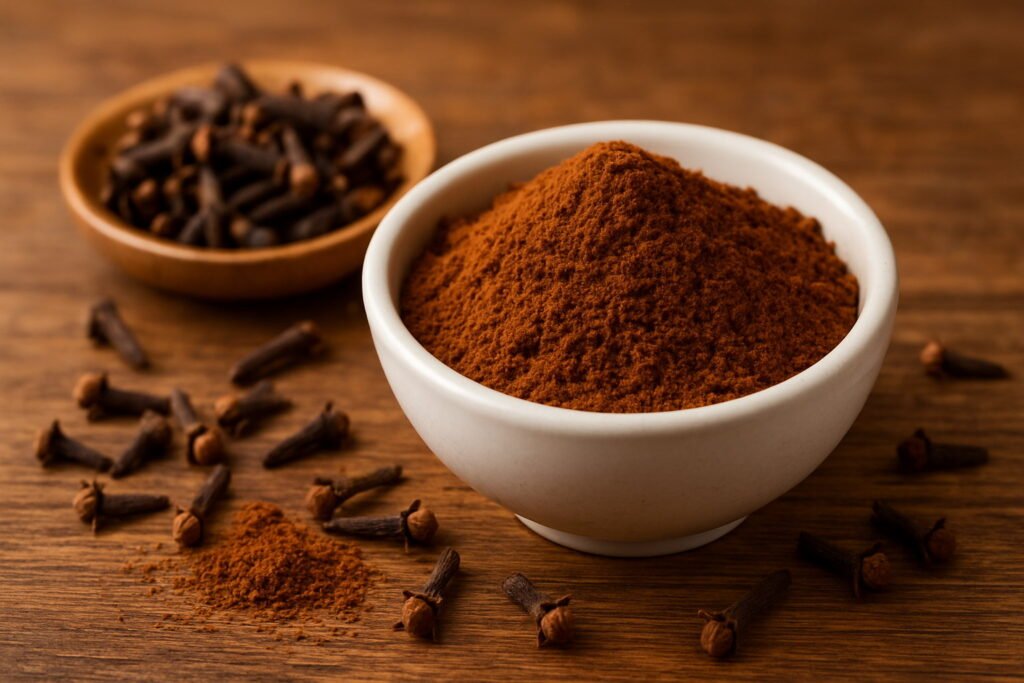
Ground clove has been a treasured spice for centuries, known for its deep warmth, intense aroma, and unmistakable flavor. From festive baking traditions to bold savory dishes, this vibrant powder brings complexity that few spices can match. What makes ground clove especially fascinating is its ability to transform both sweet and savory recipes with just a pinch.
Historically, cloves were among the most coveted spices of the ancient world—valued as highly as gold during the spice trade era. Today, ground clove continues to be a staple in modern kitchens because it delivers instant richness without overwhelming a dish when used thoughtfully.
Its naturally warming qualities make it a favorite in holiday baking, mulled beverages, curries, and classic spice blends. Many cooks also appreciate how ground clove works harmoniously with cinnamon, nutmeg, allspice, and ginger, creating layers of flavor that feel familiar yet complex. In culinary applications that demand depth, ground clove remains indispensable.
Here are a few quick facts that highlight its significance:
Quick Facts About Ground Clove
- Primary compound: Eugenol, responsible for its aroma and “warming” sensation
- Flavor profile: Sweet, spicy, slightly bitter, aromatic
- Common uses: Baking, spice blends, marinades, global cuisines
- Origin: Native to the Maluku Islands, Indonesia
- Form: Prepared from dried unopened flower buds of the clove tree
For cooks seeking an ingredient with versatility and impact, ground clove delivers both in a compact, potent form.
In This Article
What Is Ground Clove? Understanding the Spice
Ground clove is produced by grinding dried, unopened flower buds from the Syzygium aromaticum tree—an evergreen native to Indonesia but now grown in several tropical regions. These buds, known as whole cloves, are harvested before they bloom, sun-dried until they turn a rich reddish-brown, and then finely milled into the aromatic powder known as ground clove.
The powdered form carries the same bold flavor as whole cloves but integrates more easily into liquids, doughs, rubs, and spice blends. Its texture is fine and slightly oily due to the high essential-oil content—one of the highest among culinary spices.
How Ground Clove Differs From Whole Cloves
| Feature | Whole Cloves | Ground Clove |
| Flavor release | Slow and gradual | Immediate and intense |
| Best uses | Studding meats, simmering liquids | Baking, spice blends, marinades |
| Shelf life | 2–3 years | 6–12 months |
| Potency | Mild until crushed | Highly concentrated |
Because of its intense flavor, cooks typically use ground clove in small amounts—often measured in teaspoons or even fractions of teaspoons. When handled with care, it adds a pleasant warmth and sweetness reminiscent of the holidays, but it can become overpowering if too much is used.
A useful approach for beginners is the ¼ rule:
Use about one-quarter the amount you might normally use of cinnamon or nutmeg, as ground clove is significantly stronger.
Aromatic and Flavor Characteristics
- Aroma: Warm, sweet, slightly medicinal
- Taste: Rich, spicy, with hints of caramel and bitterness
- Color: Reddish brown to dark brown
- Texture: Fine, soft powder with aromatic oils
Cooks often describe ground clove as a flavor “booster.” A tiny amount lifts the overall profile of pies, cookies, roasted meats, curries, and beverages. Its ability to enhance other warm spices makes it an essential ingredient in blends like pumpkin spice, masala chai, and garam masala.
Ground Clove Origins: Cultivation and Harvesting Process
Ground clove begins its journey on tropical evergreen trees grown primarily in Indonesia, Sri Lanka, Tanzania, Madagascar, and parts of India. Indonesia, especially the Maluku Islands (historically known as the Spice Islands), remains the world’s largest clove producer and the birthplace of this aromatic spice.
How Cloves Are Grown
Clove trees thrive in:
- Tropical climates with high humidity
- Well-drained volcanic soils
- Regions with consistent rainfall
These trees can reach 8–12 meters in height and may take several years before bearing flower buds suitable for harvest.
Harvesting and Drying
Clove buds must be picked at a very specific stage:
- Color: Greenish-pink
- Shape: Closed, elongated flower buds
- Timing: Before blooming, when oil concentration is at its highest
After harvest, they are:
- Spread under the sun for 4–7 days
- Dried until the buds turn dark brown
- Sorted for quality
- Packaged and shipped either as whole cloves or processed into ground clove
Quality Factors That Influence Ground Clove
| Quality Factor | Impact |
| Oil content (especially eugenol) | Determines aroma strength |
| Drying conditions | Affects color and flavor purity |
| Freshness before grinding | Ensures potency and reduces bitterness |
| Origin | Climate and soil influence essential-oil levels |
A noteworthy case study from spice traders in Zanzibar showed that cloves dried under consistent sun—with minimal humidity exposure—kept their essential-oil levels up to 18% higher than mechanically dried batches. This difference directly affects the fragrance and strength of the resulting ground clove.
As with most spices, the more carefully the buds are harvested, handled, and stored, the better the final ground clove will taste.
Ground Clove Nutritional Profile and Key Compounds
Ground clove is far more than a fragrant spice—it is one of the most nutrient-dense seasonings used in global cooking. Although used in small amounts, its chemical makeup is remarkably potent. The star component is eugenol, the essential oil responsible for its signature aroma and warming sensation. Beyond flavor, this compound contributes to the spice’s antioxidant strength, making ground clove one of the most antioxidant-rich ingredients by weight.
Nutritional Snapshot of Ground Clove (per 1 tablespoon)
(Values may vary slightly by brand and processing method)
| Nutrient | Approx. Amount |
| Calories | 21 kcal |
| Carbohydrates | 3.5 g |
| Fiber | 2.2 g |
| Fat | 1.2 g |
| Manganese | 54% DV |
| Vitamin K | 4% DV |
| Vitamin C | Trace |
| Essential Oils | High concentration |
Key Compounds in Ground Clove
- Eugenol: Primary aromatic compound; contributes to the warm, sweet-spicy profile.
- Beta-caryophyllene: Adds depth to its scent while supporting its complex flavor.
- Tannins: Provide mild bitterness and balance sweetness in baked goods.
- Polyphenols: Responsible for the spice’s rich antioxidant capacity.
Why These Compounds Matter in Cooking
Ground clove behaves uniquely in recipes because its natural oils bloom quickly. This means:
- It intensifies flavor in short-cook recipes.
- It adds aroma even without heat—ideal for spice blends.
- It enhances other warm spices, making them taste richer and rounder.
A spice researcher from the International Organization for Standardization once described ground clove as a “high-impact spice with aromatic depth far greater than its volume.” This explains why even ⅛ teaspoon can dramatically shift a dish’s flavor profile.
Common Culinary Uses of Ground Clove in Cooking & Baking
Ground clove is beloved for its versatility. Chefs and home cooks use it in both traditional and modern recipes because it adds warmth, depth, and a slightly sweet undertone. When used sparingly, it elevates the entire dish without dominating the flavor.
Popular Culinary Applications
In Baking
- Gingerbread cookies
- Pumpkin pie
- Spice cakes and holiday breads
- Cinnamon rolls
- Fruit preserves and compotes
In Savory Dishes
- Marinades for beef, pork, and lamb
- Flavoring for rice dishes and pilafs
- Adding warmth to stews and broths
- Seasoning for roasted root vegetables
- Enhancing BBQ rubs and smoked meats
In Beverages
- Chai tea
- Mulled wine and cider
- Spiced hot chocolate
- Coffee blends
- Festive syrups
How Ground Clove Enhances Recipes
- Boosts sweetness naturally: Ideal for reducing added sugar in desserts
- Adds complexity: Creates deeper flavor layers in spice mixes
- Balances richness: Helps cut through heavy, fatty meats
- Blends harmoniously: Especially with cinnamon, ginger, nutmeg, cardamom, and allspice
A Useful Pairing Table
| Ingredient | How It Works With Ground Clove |
| Cinnamon | Enhances warmth and sweetness |
| Ginger | Adds spice and brightness |
| Nutmeg | Balances bitterness with nuttiness |
| Citrus zest | Lightens the heaviness of clove |
| Brown sugar | Boosts caramel notes |
Mini Case Study: Holiday Baking
A professional baker tested batches of gingerbread cookies using various spice combinations. The batch using ½ teaspoon of ground clove per 12 cookies had the most balanced flavor, while higher amounts overshadowed the ginger and cinnamon. This highlights why precision is key with this powerfully aromatic spice.
Ground Clove in Global Cuisines
Ground clove has traveled the world through centuries of trade, eventually rooting itself in numerous cultural cooking traditions. Its adaptability makes it valuable in sweet, savory, and ceremonial dishes.
How Different Cultures Use Ground Clove
Indonesia (The birthplace of cloves)
Used in rich stews, beef rendang, aromatic rice dishes, and traditional sweets. Indonesian cuisine often blends clove with galangal, lemongrass, and star anise.
India
Ground clove appears in garam masala, biryani spice blends, chai masala, and festive desserts like halwa. Indian cooks use clove for intensity and warmth.
Middle East
Essential in baharat spice mix. Also used in lamb dishes, rice pilafs, and slow-cooked stews.
Europe
Historic role in mulled beverages, spiced cakes, holiday baking, and cured meats. In Nordic countries, clove is part of Christmas traditions.
Africa
Used in Moroccan ras el hanout and East African spice mixes. Adds character to grilled meats and fragrant rice dishes.
United States
Most commonly found in pumpkin spice blends, barbecue rubs, and festive winter recipes.
Global Spice Blends Featuring Ground Clove
- Garam Masala (India)
- Chinese Five Spice (China)
- Baharat (Middle East)
- Pumpkin Spice (USA)
- Speculaas Spice (Netherlands)
- Ras el Hanout (Morocco)
Quote From a Culinary Historian
“Clove is one of the rare spices that found a home wherever it traveled. Its intensity, warmth, and aroma transcend borders, weaving into both daily meals and cultural celebrations.”
Ground clove’s global footprint proves its enduring value. Whether in a festive dessert or a slow-cooked stew, this spice has shaped culinary traditions across continents for generations.
How to Store Ground Clove for Maximum Freshness
Ground clove is highly aromatic, which means it can lose its potency faster than many other spices if it’s not stored correctly. Its essential oils—the source of its warm, sweet, spicy fragrance—are sensitive to air, heat, and light. Proper storage ensures you maintain the full strength of its flavor for as long as possible.
Best Storage Practices
- Use airtight containers: Glass jars with tight lids preserve aroma better than plastic.
- Keep away from light: Direct sunlight degrades essential oils, so store in a cabinet or drawer.
- Avoid heat sources: Keep ground clove away from ovens, stoves, and warm shelves.
- Limit air exposure: Always close the lid immediately after use.
Ideal Storage Conditions
| Condition | Recommendation |
| Temperature | Cool, room temperature (18–24°C) |
| Humidity | Low |
| Light | Minimal or none |
| Container | Dark glass jar or stainless steel tin |
Shelf Life
Most culinary experts estimate:
- Ground clove stays potent for 6–12 months.
- Whole cloves remain fresh for 2–3 years because their oils are locked inside the bud.
A simple freshness test:
Rub a pinch of ground clove between your fingers. If the aroma is faint or dull, it’s time to replace it.
Signs Your Ground Clove Has Lost Quality
- Weak or muted aroma
- Pale or uneven color
- Slightly stale or dusty smell
- Flavor disappears quickly when cooked
Fresh ground clove should smell warm, sweet, and strong. If it doesn’t, the spice won’t deliver its full effect in your recipes.
How to Choose High-Quality Ground Clove
Not all ground clove is created equal. Factors like origin, harvesting method, and storage conditions greatly affect its flavor. For the most vibrant, aromatic results, select brands or suppliers known for careful sourcing and high essential-oil content.
What to Look for on Labels
- Single-origin sourcing (e.g., “Indonesia” or “Zanzibar”) often indicates higher quality
- No fillers or anti-caking agents
- Harvest and packaging dates, if available
- Certified organic options when possible
Color Indicators
High-quality ground clove typically appears:
- Deep reddish-brown
- Uniform in color
- Slightly oily to the touch
Inferior ground clove often looks dusty, pale, or overly dry.
Aroma Test
A good-quality jar should smell:
- Sweet and warm
- Intensely aromatic
- Slightly woody with spicy undertones
If the scent is sharp, burnt, or overly bitter, the batch may have been overheated during processing.
Whole vs. Ground: Which Should You Buy?
| Form | Best For | Advantages | Disadvantages |
| Whole Cloves | Fresh grinding, long-term storage | Longer shelf life, richer oils | Requires grinding |
| Ground Clove | Quick recipes and baking | Convenient, immediate flavor | Shorter shelf life |
Many chefs buy whole cloves and grind small batches as needed to ensure maximum freshness. For home cooks who rely on convenience, choosing a reputable, high-quality brand ensures consistently good results.
Expert Tip
A spice importer once shared that cloves from Indonesian and Zanzibar farms usually contain the highest natural oil concentration. This oil richness directly influences the intensity of the resulting ground clove.
Ground Clove Substitutes and When to Use Them
Although ground clove is unique, certain spices can mimic its warmth and sweet-spicy complexity when you don’t have it on hand. Choosing the right substitute depends on the flavor profile you’re trying to achieve.
Best Substitutes for Ground Clove
1. Allspice
The closest match. It has similar sweet, peppery, clove-like notes.
Ratio: Use the same amount as ground clove.
2. Nutmeg
Sweeter and subtler, but offers warmth and depth.
Ratio: Use slightly more nutmeg (1.25×).
3. Cinnamon
Adds sweetness and warmth but lacks the spicy punch.
Ratio: Use the same amount, but taste as you go.
4. Pumpkin Spice or Mixed Spice
These blends often contain clove already.
Ratio: Start with half the amount and adjust.
Substitution Table
| Substitute | Flavor Similarity | Best Uses | Ratio |
| Allspice | Very high | Baking, drinks, spice blends | 1:1 |
| Nutmeg | Medium | Desserts, sauces | 1:1.25 |
| Cinnamon | Medium-low | Baking, oatmeal, beverages | 1:1 |
| Pumpkin spice | Medium | Cakes, breads | 1:0.5 |
When Not to Substitute Ground Clove
- In spice blends where clove is a core note (e.g., garam masala).
- In chai masala, where clove provides essential warmth.
- In traditional holiday desserts, such as gingerbread.
A Real-World Example
A professional pastry chef conducted a blind tasting comparing pumpkin pie made with:
- ¼ tsp ground clove
- ½ tsp allspice
- ½ tsp cinnamon
The pie made with allspice was closest in aroma and warmth, while the cinnamon version tasted too mild. This kind of real-world testing underscores how substitutions shift the character of classic recipes.
A Useful Quote from a Culinary Expert
“Clove carries a strength that few spices can match. When replacing it, aim for the character of the flavor, not the intensity.”
Substitutes work in a pinch, but none fully replicate the depth and boldness of pure, fresh ground clove.
DIY Ground Clove: How to Make It at Home
Many home cooks prefer preparing their own ground clove for one simple reason: freshness. When cloves are ground at home, the resulting powder is noticeably more aromatic and flavorful than most store-bought options. Creating your own ground clove also lets you control texture, purity, and potency.
Tools You Need
- Clean spice grinder or coffee grinder
- Mortar and pestle (for small batches or rustic texture)
- Fine-mesh sieve
- Airtight jar for storage
Step-by-Step Instructions
Step 1: Select High-Quality Whole Cloves
Choose cloves that are plump, dark brown, and slightly oily. A simple quality test is to drop a clove into water—fresh cloves float vertically.
Step 2: Toast Lightly (Optional, but Recommended)
Warm cloves in a dry pan for 1–2 minutes over low heat. This activates essential oils and boosts aroma.
Step 3: Grind to a Fine Powder
Transfer to a grinder and pulse until you get a smooth, even consistency. Avoid overheating the grinder to preserve the natural oils.
Step 4: Sift
Pour the ground mixture through a fine sieve. Re-grind any remaining coarse pieces.
Step 5: Store Properly
Place the ground clove in an airtight glass jar and label with the date. Store in a cool, dark place.
Advantages of Homemade Ground Clove
- Fresher and more aromatic
- Stronger flavor means you can use less
- No additives or fillers
- Longer-lasting potency than pre-ground jars
DIY Cost Efficiency Table
| Item | Approx. Cost | Usage | Cost Efficiency |
| Whole cloves (50g) | $4–$6 | Makes 10–12 tbsp | Very high |
| Pre-ground clove (35g) | $5–$8 | Ready to use | Medium |
| Homemade ground clove | ~$0.50 per tbsp | Fresh & strong | Excellent |
Making your own batch takes only minutes but dramatically improves the complexity and aromatic depth of your recipes.
Ground Clove Recipe Ideas for Home Cooks
Ground clove shines in both simple and sophisticated dishes. Its intensity makes it a spice that elevates recipes with bold warmth, whether you’re baking classic holiday treats or experimenting with new flavors.
Sweet Recipe Inspiration
- Spiced Apple Compote: Add ⅛ teaspoon of ground clove for deeper warmth.
- Pumpkin Spice Muffins: Combine with cinnamon, nutmeg, and ginger for a bakery-style aroma.
- Caramel Pecan Cookies: Ground clove balances caramel sweetness beautifully.
- Pepper Gingerbread: A mix of ground clove and black pepper creates a bold flavor twist.
Savory Recipe Ideas
- Moroccan Beef Stew: Add ¼ teaspoon to bring exotic depth to slow-cooked dishes.
- Glazed Carrots: A pinch of ground clove enhances natural sweetness.
- Spiced Rice Pilaf: Combine with cinnamon and bay leaf for Middle Eastern flair.
- Clove-Rubbed Roast Chicken: Mix ground clove with smoked paprika and garlic powder.
Beverage Uses
- Chai Latte: Essential for authentic masala chai warmth.
- Mulled Citrus Tea: A winter favorite made fragrant with a small pinch.
- Holiday Punch: Ground clove pairs well with cranberry, orange, and ginger.
Sample Recipe: Ground Clove Maple Glaze (Quick & Versatile)
Ingredients:
- ¼ tsp ground clove
- 2 tbsp maple syrup
- 1 tbsp butter (melted)
- Pinch of cinnamon
Directions:
Whisk together and brush onto roasted sweet potatoes, baked apples, or warm biscuits. The glaze creates a spiced caramel finish that highlights the warmth of clove.
Quote From a Pastry Chef
“Clove is a spice of restraint. Its magic lies in precision—a tiny amount turns an ordinary recipe into something memorable.”
Conclusion: Why Ground Clove Deserves a Place in Every Kitchen
Ground clove remains one of the most powerful spices in world cuisine—small in quantity yet immense in flavor. Its signature warmth brings character to both traditional and modern recipes, from gingerbread and chai to global spice blends like baharat and garam masala.
This spice offers cooks a way to deepen flavors, add aromatic complexity, and create a sense of comfort in seasonal dishes. Whether you buy a high-quality jar or grind your own, ground clove is a pantry essential that enhances nearly everything it touches.
From its rich history in the Spice Islands to its modern-day place in home kitchens around the world, ground clove continues to prove its value. With careful storage, thoughtful pairing, and precise use, this aromatic spice elevates food with a warmth that feels timeless and universal.
For readers who want to explore more about clove production and global spice heritage, resources like the Spice Trade History section at National Geographic offer excellent background reading: https://www.nationalgeographic.com
Ground clove isn’t just a spice—it’s a culinary tradition, a cultural link, and an ingredient that brings richness to every kitchen.