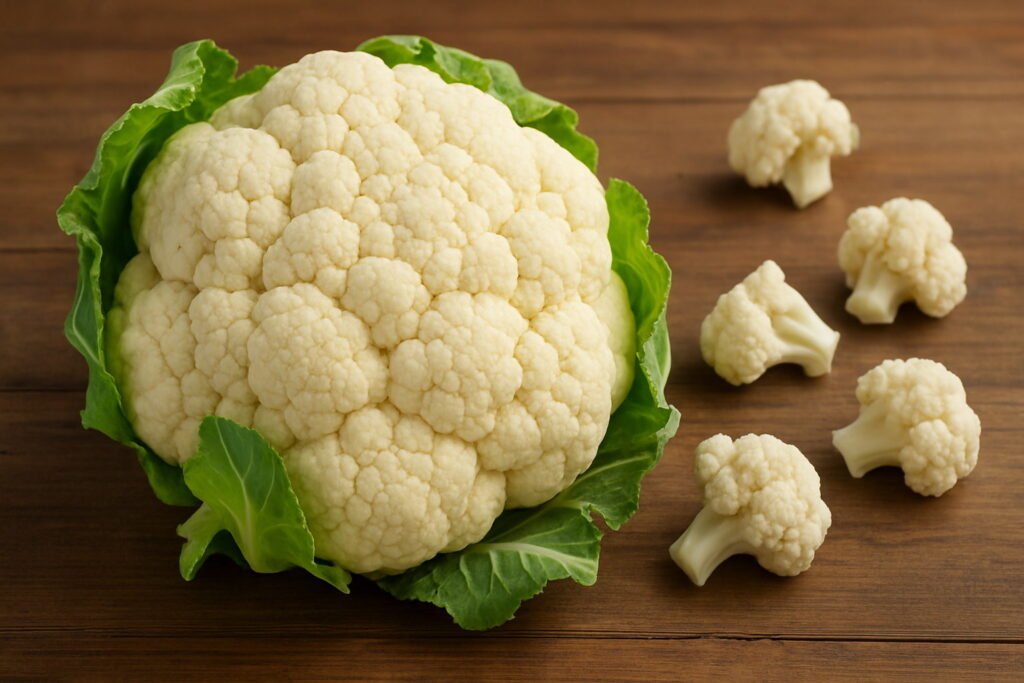
Cauliflower has become one of the most talked-about vegetables in modern kitchens—and for good reason. This humble crucifer not only anchors countless healthy dishes but also adapts effortlessly to different cooking techniques and dietary lifestyles. Whether you use cauliflower as a hearty side dish, a low-carb substitute, or a nutrient-dense base for creative meals, its value in today’s cuisine is undeniable.
What makes cauliflower particularly fascinating is its ability to take on flavors, textures, and forms in ways few vegetables can. From creamy soups to crisp roasted florets, cauliflower continues to rise in popularity, especially among home cooks seeking healthier and more versatile ingredients.
A few fast facts to set the stage:
- Botanical family: Brassicaceae (same family as broccoli, cabbage, kale)
- Edible parts: Florets, stem, leaves (all usable!)
- Key nutrients: Vitamin C, vitamin K, folate, fiber, antioxidants
- Best season: Late fall through early spring, depending on climate
Quote to remember:
“Cauliflower is nothing but cabbage with a college education.” – Mark Twain
A lighthearted reminder of how special—and smart—this vegetable truly is.
In This Article
Cauliflower: Origin, Varieties, and Characteristics
Cauliflower’s story begins around the Mediterranean coast, where it was first cultivated thousands of years ago. Traders and farmers spread the vegetable across Europe and Asia, and by the 16th century it was already a valued ingredient in many cultures. Today, cauliflower is grown globally, with top producers including China, India, Spain, and the United States.
Major Cauliflower Varieties
Cauliflower isn’t just the familiar white head seen in supermarkets. Several varieties offer unique flavors, nutrients, and visual appeal:
| Variety | Color | Flavor Profile | Notes |
| White Cauliflower | White | Mild, classic flavor | Most common; excellent for all cooking methods |
| Purple Cauliflower | Deep violet | Slightly nuttier; rich in antioxidants | Color comes from anthocyanins, the same pigment in blueberries |
| Orange Cauliflower | Orange/amber | Rich, creamy flavor | Contains higher natural beta-carotene |
| Green Cauliflower (Romanesco) | Vibrant green | Earthy, slightly peppery | Known for its stunning spiral fractal pattern |
What Makes Cauliflower Unique?
- Neutral flavor: Makes it an excellent base for spices and sauces
- Dense texture: Holds up to roasting, grilling, and sautéing
- Nutrient density: High in vitamins and phytonutrients
- Culinary flexibility: Works in both traditional and modern recipes
Its adaptability is one of the main reasons cauliflower is featured in global cuisines—from Indian curries (aloo gobi) to Italian pasta dishes and American low-carb alternatives.
Nutritional Benefits of Cauliflower
Cauliflower earns high praise from nutritionists because it packs substantial health benefits into every floret. Despite being low in calories, it delivers an impressive range of vitamins, minerals, and antioxidants.
Nutrient Breakdown per 100g of Raw Cauliflower
| Nutrient | Amount |
| Calories | ~25 kcal |
| Carbohydrates | 5 g |
| Protein | 2 g |
| Fat | 0.3 g |
| Fiber | 2 g |
| Vitamin C | ~48 mg (over half the daily recommended amount) |
| Vitamin K | ~15 mcg |
| Folate | ~57 mcg |
| Potassium | ~299 mg |
Key Health Benefits
Rich in antioxidants
Compounds such as glucosinolates and isothiocyanates support cellular health and help reduce inflammation.
Supports digestion
The fiber content promotes gut health, provides bulk, and assists with regularity.
Ideal for weight management
With its low calorie count and high volume, cauliflower helps create filling meals without excess calories.
Linked to heart health
Studies show that cruciferous vegetables may support cardiovascular function due to their antioxidant profile.
Why Cauliflower Fits Modern Diets
- Keto-friendly
- Gluten-free
- Paleo-compatible
- Low-carb
- Plant-based
Case Study – “The Rise of Cauliflower in Wellness Diets”
A 2023 consumer nutrition survey found that 42% of individuals following a low-carb diet used cauliflower at least once a week, primarily as cauliflower rice, mash, or roasted florets. Its texture mimicking ability was rated as the top reason for repeated use.
How to Choose and Store Cauliflower
Selecting the right cauliflower is the first step toward better flavor and texture. Freshness significantly influences taste, nutritional value, and how well the vegetable holds up to different cooking methods.
How to Choose Fresh Cauliflower
Look for these key indicators when shopping:
- Firm, compact head: Florets should be tightly packed, not separated.
- Bright, unblemished surface: Avoid brown spots or mushy areas.
- Fresh green leaves: Leaves hugging the head indicate a recently harvested cauliflower.
- Even color: Whether white, purple, orange, or green, consistent coloring is a sign of quality.
- Weighty feel: A heavier head means denser florets and better moisture retention.
How to Store Cauliflower Properly
Correct storage ensures the vegetable stays crisp and flavorful for days.
Refrigerator storage:
- Keep the cauliflower unwashed until ready to use.
- Place it in a perforated plastic bag or breathable produce bag.
- Store in the crisper drawer for optimal humidity.
- Shelf life: typically 5–7 days.
Freezing cauliflower:
When prepped correctly, cauliflower freezes well and maintains quality.
Steps:
- Cut into similar-sized florets.
- Blanch for 2–3 minutes to preserve color and nutrients.
- Shock in ice water.
- Pat dry and freeze in a single layer before transferring to a freezer bag.
Frozen cauliflower keeps for up to 8–10 months and works beautifully in soups and sautés.
Preparing Cauliflower: Basic Techniques
Proper preparation allows cauliflower to truly shine. Its texture and neutral flavor make it receptive to a wide range of culinary approaches.
Essential Prep Steps
- Wash thoroughly: Rinse under cool water to remove debris and hidden particles between florets.
- Trim the stem: Keep as much stem as you like—it’s fully edible and great for soups or roasting.
- Slice or break into florets: Uniform pieces ensure even cooking.
Common Cooking Methods
Here are the most popular and effective ways to cook cauliflower:
Steaming
- Preserves nutrients and softens the florets without making them soggy.
- Ideal for mash, purées, or quick sides.
Boiling
- Works well for soups or blended dishes.
- Avoid overcooking to prevent water absorption and mushy texture.
Roasting
- Enhances flavor through caramelization.
- Toss with olive oil, salt, and spices; roast at high heat (220°C / 425°F) for golden, crisp edges.
- A fan favorite due to its depth and nuttiness.
Sautéing
- Quick, flavorful, and great for weeknight meals.
- Allows cauliflower to stay slightly firm while absorbing aromatics.
Grilling
- Perfect for cauliflower steaks.
- Adds smoky notes that enhance the vegetable’s natural sweetness.
Tips for the Best Texture
- Keep florets similar in size.
- Pat dry before roasting for maximum crispness.
- Add acids (lemon, vinegar) after cooking—not before—to maintain a tender texture.
Cauliflower in Everyday Cooking
Cauliflower’s versatility lets it play multiple roles across different cuisines. It can be savory, creamy, crunchy, or even subtly sweet depending on how it’s prepared.
Classic Uses of Cauliflower
- Roasted Cauliflower: A delicious standalone side dish.
- Cauliflower Soup: Smooth, comforting, and deeply satisfying.
- Cauliflower Stir-Fry: Quick, colorful, and high in nutrients.
- Aloo Gobi: A popular Indian dish combining cauliflower and potatoes with spices.
- Cauliflower Salad: Works in both warm and chilled variations.
Flavor Pairings That Work Beautifully
Cauliflower absorbs both bold spices and delicate seasonings. These pairings elevate its natural qualities:
Herbs: thyme, parsley, rosemary, cilantro
Spices: turmeric, cumin, paprika, coriander, chili flakes
Aromatics: garlic, onion, ginger
Complimentary ingredients: lemon, tahini, parmesan, butter, olive oil, miso, coconut milk
Simple Everyday Meal Ideas
- Add roasted cauliflower to grain bowls for extra fiber and texture.
- Toss florets into pasta dishes for warmth and volume.
- Blend cooked cauliflower into creamy sauces to reduce dairy while adding richness.
- Use mashed cauliflower in shepherd’s pie as a light alternative to potatoes.
- Transform florets into crispy cauliflower bites with your favorite seasoning blend.
Tip:
If you find cauliflower bland, roast it at high heat. This unlocks deeper caramelized flavors that boiling or steaming cannot achieve.
Cauliflower as a Low-Carb Substitute
Cauliflower has become the go-to ingredient for anyone looking to reduce carbs without sacrificing comfort foods or satisfying textures. Its mild taste and adaptability allow it to replicate the mouthfeel of rice, potatoes, and even bread, making it a star in low-carb, keto, gluten-free, and paleo kitchens.
Why Cauliflower Works as a Substitute
Several characteristics make cauliflower an exceptional stand-in for high-carb staples:
- High fiber + low starch: Creates a naturally lighter result compared to potatoes or grains.
- Neutral flavor: Absorbs seasonings easily, allowing it to mimic savory dishes.
- Fine crumb texture when processed: Perfect for crusts, rice, and dough-like bases.
- Creamy consistency when cooked: Excellent for mash, sauces, and soups.
Popular Cauliflower Swaps
Below are the most common cauliflower-based alternatives and how they compare to their traditional versions:
| Cauliflower Alternative | Typical Use | Carb Comparison (per cup) | Notes |
| Cauliflower Rice | Stir-fries, bowls, burritos | 3–5g vs. 45g in white rice | Light, fluffy, and quick to cook |
| Cauliflower Mash | Mashed “potatoes” | 5g vs. 35g in potatoes | Creamy and smooth with minimal calories |
| Cauliflower Crust | Pizza base | 10–12g vs. 28g in wheat crust | Works well with cheese as a binder |
| Cauliflower Gnocchi | Pasta alternative | 22g vs. 40g in wheat gnocchi | Slightly chewy; popularized by health brands |
| Cauliflower Tortillas | Wraps | 3–4g vs. ~25g tortillas | Ideal for soft tacos and sandwiches |
Taste and Texture Notes
- Cauliflower rice works best sautéed over medium-high heat to avoid excess moisture.
- Cauliflower mash becomes silkier with the addition of olive oil, butter, or coconut milk.
- Cauliflower pizza crust is crispier when baked twice—once alone, then again with toppings.
Consumer Insight
A 2024 home-cooking trend report found that 68% of health-conscious households used at least one cauliflower-based alternative monthly. This highlights its continued dominance in the wellness food space.
Cauliflower Recipes for Home Cooks
Cauliflower shines in countless recipes across cultures. Its ability to transform makes it a favorite for beginners and seasoned cooks alike.
Category Breakdown of Popular Cauliflower Dishes
Soups & Purees
- Creamy cauliflower soup with garlic
- Velvety cauliflower purée with herbs
- Cauliflower and coconut milk curry soup
Salads & Bowls
- Roasted cauliflower and chickpea salad
- Lemon-parsley cauliflower tabbouleh
- Cauliflower “Greek bowl” with olives and cucumber
Side Dishes
- Spiced roasted cauliflower
- Cauliflower au gratin
- Garlic-butter steamed cauliflower
Main Dishes
- Cauliflower steaks with chimichurri
- Cauliflower tikka masala
- Stir-fried cauliflower with tofu and sesame oil
Quick Flavor Customization Tips
- For Mediterranean flavors: lemon, oregano, olive oil
- For Asian-style dishes: soy sauce, ginger, sesame
- For Indian dishes: turmeric, cumin, garam masala
- For American comfort dishes: cheddar, butter, herbs
Small Table for Meal Inspiration
| Meal Type | Example Dish | Skill Level |
| Breakfast | Cauliflower hash with eggs | Easy |
| Lunch | Cauliflower shawarma bowl | Intermediate |
| Dinner | Cauliflower and mushroom curry | Easy |
| Snack | Spiced cauliflower popcorn | Easy |
| Appetizer | Cauliflower “wings” with hot sauce | Intermediate |
Recipe Tip
Roast cauliflower on a preheated baking sheet. This helps form a crisp base and prevents sogginess.
Common Mistakes When Cooking Cauliflower (and How to Fix Them)
Even experienced cooks occasionally struggle with cauliflower, especially when it becomes mushy, flavorless, or unevenly cooked. Fortunately, these issues are easy to solve with a few simple adjustments.
Frequent Cooking Errors
Overcooking
Boiling or steaming too long breaks down the structure, resulting in a waterlogged or mushy texture.
Underseasoning
Cauliflower’s mild flavor needs generous seasoning to stand out.
Insufficient heat when roasting
Low oven temperatures prevent caramelization, leaving the florets pale and soft.
Crowding the pan
Placing too many pieces close together traps steam and blocks crispness.
Skipping the drying step
Wet florets won’t brown well, regardless of temperature.
How to Fix These Issues
- Use high heat (220°C / 425°F) for roasting to enhance browning.
- Toss florets with a balanced mix of oil, salt, and spices to amplify flavor.
- Spread cauliflower across a large baking sheet for better airflow.
- Dry florets thoroughly after washing.
- For sautéing, choose a wide pan to give the florets room to color.
Expert Insight
Professional chefs often roast cauliflower on the top rack of the oven to intensify caramelization and concentrate flavor. This technique makes a noticeable difference, especially when preparing cauliflower steaks or large florets.
The Future of Cauliflower in Modern Cuisine
Cauliflower has evolved far beyond being just another side vegetable. It has become a centerpiece in many modern food innovations. As global food trends shift toward sustainability, plant-powered eating, and nutrient-dense ingredients, cauliflower continues to lead the movement.
Emerging Culinary Trends Featuring Cauliflower
- Plant-based meats: Food technologists are increasingly using cauliflower as a binding and bulking agent in vegan patties and nuggets.
- Restaurant cauliflower entrées: High-end restaurants now feature cauliflower steaks, whole-roasted cauliflower, and charred cauliflower with global spice blends.
- Dairy alternatives: Blended cauliflower is being incorporated into creamy spreads, dips, and even cheese-style sauces.
- Shelf-stable cauliflower snacks: Chips, crackers, puffs, and crisps made from cauliflower flour are gaining popularity.
Why Cauliflower Continues to Dominate
- Its environmental footprint is generally lower than many grains and meats.
- It blends seamlessly into both comfort food and health-forward cuisine.
- Culinary professionals praise its texture versatility, from crispy to velvety smooth.
- Food brands appreciate its market appeal, especially among health-conscious consumers.
Quote from a culinary expert:
“Cauliflower is a chef’s dream—it accepts flavor, adapts to technique, and elevates simple dishes into memorable ones.”
Sustainability and Cauliflower Farming
Cauliflower farming aligns well with eco-friendly agricultural approaches, making it a valuable crop in a world focused on climate-conscious eating.
Environmental Benefits of Cauliflower
- Low water demand: Compared to many other vegetables, cauliflower requires moderate irrigation.
- Long growing season options: Farmers can cultivate cauliflower during cooler periods, reducing reliance on artificial environments.
- High yield per acre: Cauliflower provides abundant edible mass relative to land use.
- Minimal waste: Stems and leaves are edible or can be composted.
Seasonality and Local Sourcing
In many regions, cauliflower thrives from late fall to early spring. Buying in-season cauliflower supports:
- Fresher, more flavorful produce
- Lower transportation emissions
- Local farmers and regional food chains
Using the Entire Cauliflower to Reduce Waste
Every part of cauliflower can be used in the kitchen:
- Leaves: Roast them like kale chips or sauté with garlic.
- Stems: Slice into soups, stir-fries, or stocks.
- Core: Steam and blend into purées or sauces.
Sustainability Snapshot Table
| Aspect | Cauliflower Advantage |
| Water Usage | Moderate, not intensive |
| Carbon Footprint | Low compared to animal products |
| Edible Yield | High—multiple usable parts |
| Food Waste Potential | Minimal with root-to-leaf cooking |
By embracing whole-plant usage, both home cooks and restaurants reduce food waste while maximizing nutrition.
Conclusion: Why Cauliflower Deserves a Place in Every Kitchen
Cauliflower stands out as a vegetable that’s both nourishing and incredibly adaptable. Its broad range of varieties, impressive nutritional profile, and ability to transform into countless dishes make it a staple worth keeping in every kitchen. Whether used in simple roasted sides, transformed into innovative low-carb alternatives, or incorporated into modern global cuisine, cauliflower consistently delivers flavor, texture, and value.
As chefs, home cooks, and food innovators continue to explore its potential, cauliflower’s influence will only expand. Its sustainability benefits, health advantages, and culinary versatility ensure that it remains one of the most relevant vegetables of our time.
For you who want to explore additional scientific insights on cruciferous vegetables and their nutritional impact, the research available through trusted sources like the Harvard T.H. Chan School of Public Health provides valuable information (https://www.hsph.harvard.edu/nutritionsource).