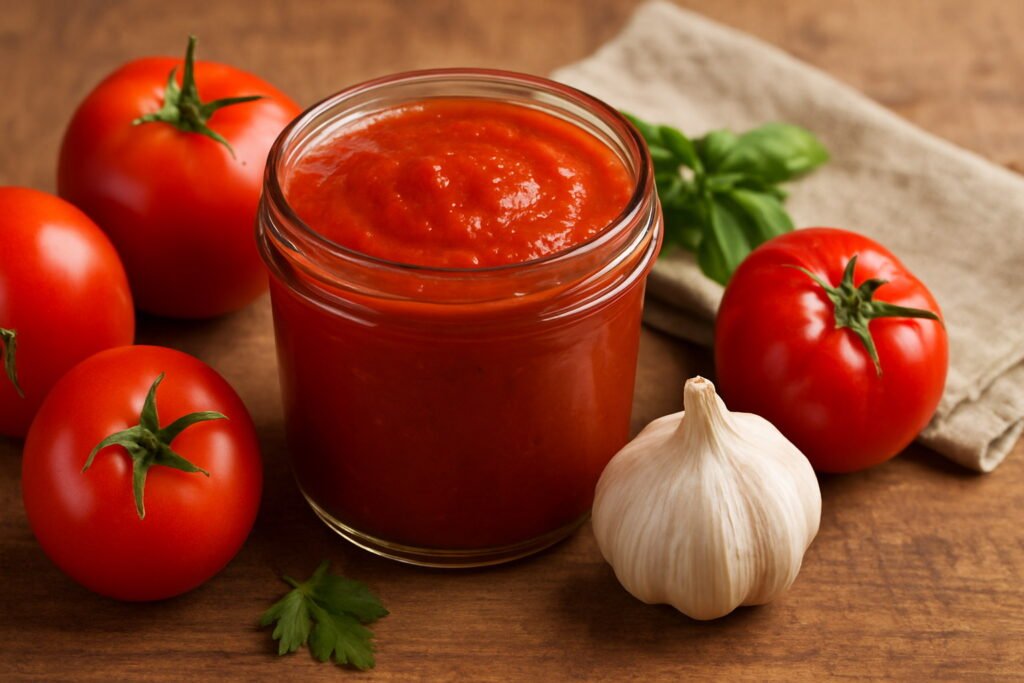
Tomato sauce no sugar added has become a staple for people who want bold flavor without unnecessary sweeteners. Many store-bought sauces contain hidden sugars that shift the taste away from the natural richness of tomatoes. When the goal is cleaner eating or better control over ingredients, a no-sugar-added option delivers both taste and transparency.
People turn to sugar-free tomato sauces for different reasons. Some want to manage their daily sugar intake, others prefer a more authentic, tomato-forward flavor, and many simply want to avoid additives in their everyday meals. Whatever the motivation, choosing a sauce without added sugars allows the natural sweetness of ripe tomatoes to shine without masking it with syrups or sweeteners.
A growing number of families, athletes, and home cooks now prioritize pantry staples that support long-term wellness. Tomato sauce with no sugar added fits into that shift toward intentional eating. It’s versatile, easy to prepare from scratch, and widely available in cleaner store-bought versions. Understanding what makes it different—and why it matters—helps home cooks make better choices.
In This Article
What “No Sugar Added” Tomato Sauce Actually Means
When a product is labeled no sugar added, it means no sweeteners were added during production. This includes cane sugar, honey, syrups, coconut sugar, fruit juice concentrates, or artificial sweeteners. The sauce may still contain natural sugars from tomatoes, but those sugars occur naturally in the fruit and are not artificially increased.
Key Distinctions to Know
No Sugar Added vs. Unsweetened
- No sugar added: No sweeteners added, but natural sugars may still be present.
- Unsweetened: No sugar and no sugar-containing ingredients at all.
- Tomato sauces generally fall into the no sugar added category because tomatoes naturally contain fructose.
No Sugar Added vs. Sugar-Free
- Sugar-free: Must contain less than 0.5 grams of sugar per serving according to general labeling standards.
- Most tomato sauces cannot qualify as sugar-free due to natural tomato sugars, so the correct term remains no sugar added.
Common Hidden Sugars to Look Out For
Some brands use sweeteners under non-obvious names. Here are examples often found on labels:
- Corn syrup
- Dextrose
- Fruit juice concentrate
- Maltodextrin
- Evaporated cane juice
- Brown rice syrup
Why This Label Helps Consumers
Understanding the difference ensures shoppers pick sauces that align with their goals. Someone avoiding added sugars doesn’t need a sauce that sneaks in sweeteners under a confusing name. Clarity empowers better eating, especially for people following structured diets.
Why Tomato Sauce No Sugar Added Matters for Health
Choosing tomato sauce no sugar added supports a balanced diet without sacrificing richness or depth of flavor. Since tomatoes naturally contain vitamins, minerals, and antioxidants, a clean sauce amplifies nutritional benefits rather than diminishing them with unnecessary sugar.
Health Benefits Backed by Nutrition Research
Reduced Sugar Intake
Consuming fewer added sugars is associated with improved energy levels and stable mood. A no-sugar tomato sauce helps reduce daily sugar load without compromising comfort foods like pasta dishes or casseroles.
Better Metabolic Health
Lower added sugars support healthier blood sugar responses. This is valuable for individuals who want to manage glucose levels or follow whole-food eating patterns.
Supports Modern Diet Lifestyles
Tomato sauce with no sugar added easily fits into:
- Paleo-style eating
- Whole30 guidelines
- Low-carb or balanced-carb diets
- Anti-inflammatory meal plans
- High-protein meal prep routines
Nutritional Snapshot
Below is a comparison between a typical commercial tomato sauce and a no-sugar-added version:
| Feature | Regular Tomato Sauce (Average) | Tomato Sauce No Sugar Added |
| Added sugar | 3–12 grams per serving | 0 grams |
| Calories | 70–110 | 40–70 |
| Flavor profile | Sweeter, sometimes syrupy | Bright, savory, naturally sweet |
| Ingredients | Often 10–20 items | Commonly 5–10 whole-food ingredients |
Expert Insight
A quote often shared by nutrition educators states:
“When you remove unnecessary sweeteners, you give real food the chance to taste like itself.”
That perfectly summarizes what makes no-sugar tomato sauce appealing: real flavor, real ingredients, and nothing extra.
Key Ingredients That Make a Flavorful No-Sugar Tomato Sauce
A great tomato sauce no sugar added doesn’t depend on sweeteners for depth or richness. Its character comes from quality ingredients and thoughtful cooking techniques that highlight the tomatoes’ natural sweetness. When the building blocks are clean and well-chosen, the flavor develops effortlessly.
Essential Ingredients
Fresh Tomatoes or Crushed Tomatoes
Ripe tomatoes naturally contain a gentle sweetness and bright acidity. Varieties such as Roma, San Marzano, and vine-ripened tomatoes produce a velvety texture and balanced sweetness without requiring added sugar.
Tomato Paste
A spoonful of tomato paste adds body and intensifies the tomato flavor. Because it’s concentrated, it brings sweetness that feels natural and rounded.
Aromatics
These foundations add savory complexity:
- Onion
- Garlic
- Shallots
- Celery
- Carrot (used very lightly for natural sweetness)
Herbs and Seasonings
Fresh or dried herbs lift the sauce without overpowering it. Useful additions include:
- Basil
- Oregano
- Thyme
- Rosemary
- Bay leaf
- Black pepper
- Sea salt
Healthy Fats
A drizzle of extra-virgin olive oil enhances mouthfeel and carries the herbs throughout the sauce.
Why These Ingredients Matter
Without sweeteners, each component must contribute to balance. Aromatics soften acidity, herbs create structure, and slow simmering encourages natural sugars to emerge. When handled correctly, the result is a sauce that feels full-bodied and clean at the same time.
How to Choose Store-Bought Tomato Sauce With No Sugar Added
Finding a reliable jarred tomato sauce no sugar added can feel overwhelming, especially with so many brands displaying health claims. The best approach is to focus on labels, ingredients, and transparency.
What to Look For on the Label
Minimal Ingredients
The cleanest sauces usually contain 5–10 recognizable ingredients. Ideally, you’ll see tomatoes, herbs, salt, and maybe olive oil—nothing else.
Absolutely No Sweeteners
Scan the ingredient list carefully for sweetener names. Common ones to avoid:
- High-fructose corn syrup
- Cane sugar
- Dextrose
- Sucrose
- Fruit juice concentrate
- Brown rice syrup
No Artificial Additives
Preservatives, artificial flavors, and colorings can alter both the taste and nutritional value. A genuinely clean product avoids unnecessary fillers.
Helpful Tip
A simple rule many dietitians share is:
“If the ingredient list reads like a recipe you could cook at home, you’ve chosen well.”
Brands Known for Cleaner Options
(Brands vary by location, so shoppers should always check packaging, but these options are commonly recognized for transparency.)
- Sauces labeled no sugar added or no added sweeteners
- Organic-certified marinara varieties
- Brands that use only olive oil—not vegetable or soybean oils
Quick Comparison Table
| Feature | High-Quality No-Sugar-Added Sauce | Standard Commercial Sauce |
| Ingredient Count | 5–10 | 10–20+ |
| Sweeteners | None | Often several |
| Oils Used | Olive oil or none | Canola, soybean, blends |
| Flavor | Clean, tomato-forward | Sweetened, sometimes processed |
This small amount of label reading helps shoppers confidently choose a sauce that tastes authentic and aligns with nutritional goals.
Homemade Tomato Sauce No Sugar Added: Core Method
Making homemade tomato sauce no sugar added is simple and gives full control over flavor, texture, and ingredients. The process centers on releasing tomato sweetness naturally instead of relying on added sugar.
Step-by-Step Method
Sauté Aromatics
Start with olive oil, onion, and garlic. Cooking them slowly creates a rounded base flavor and prevents bitterness.
Add Tomatoes
Use crushed tomatoes, whole peeled tomatoes, or fresh chopped tomatoes. Fresh varieties may need slightly longer simmering to break down fully.
Enhance with Tomato Paste
Stir in tomato paste to deepen the flavor and thicken the sauce.
Season Gradually
Basil, oregano, black pepper, and bay leaf help shape the taste. Season modestly at first; flavors intensify as the sauce reduces.
Simmer Slowly
Allow the sauce to cook gently for 30–60 minutes. Slow simmering evaporates excess water and reveals natural tomato sweetness.
Adjust Acidity Without Sugar
Many cooks add sugar to balance acidity, but no-sugar-added cooking uses natural methods instead:
- A tiny amount of grated carrot
- A splash of olive oil
- A small pinch of baking soda (used sparingly)
- Longer simmering time
Natural Thickening Options
If the sauce feels thin, try:
- Additional simmer time
- More tomato paste
- Pureeing a small portion of the sauce and stirring it back in
These techniques keep the sauce clean, flavorful, and rich without adding sweeteners or preservatives.
Flavor Variations for Tomato Sauce With No Sugar Added
Tomato sauce with no sugar added adapts beautifully to different culinary styles. A few simple adjustments can shift the flavor from classic Italian to bold and spicy, or even rustic and roasted. These variations maintain a clean ingredient list while creating entirely new taste profiles.
Italian Herb Variation
This version works well for pasta dishes, meatballs, and lasagna.
How to make it:
- Add extra basil and oregano.
- Include fresh parsley toward the end of cooking.
- Simmer with a bay leaf for 20 minutes.
- Finish with a splash of olive oil for aroma.
Flavor profile: Bright, aromatic, and perfect for everyday cooking.
Spicy Arrabbiata-Style Sauce
A no-sugar-added take on a classic that’s bold without added calories.
How to make it:
- Add chili flakes or fresh chopped red chili.
- Use garlic generously to build heat.
- Extend the simmering time to blend the spice into the sauce.
Flavor profile: Hot, sharp, and ideal for pairing with grilled proteins or roasted vegetables.
Roasted Vegetable Twist
Roasting vegetables is one of the best natural ways to bring sweetness without sugar.
How to make it:
- Roast bell peppers, onions, and tomatoes until lightly charred.
- Blend them into your cooked tomato base.
- Add thyme or rosemary for depth.
Flavor profile: Smoky, earthy, slightly sweeter—but still fully sugar-free.
Quick Variation Table
| Variation | Key Ingredients | Best Use |
| Italian Herb | Basil, oregano, bay leaf | Pasta, casseroles |
| Arrabbiata | Chili flakes, garlic | Chicken, seafood, zoodles |
| Roasted Vegetable | Roasted peppers, onions, tomatoes | Pizza sauce, hearty skillet dishes |
These variations expand your menu without relying on sweeteners or artificial flavor boosters.
Tips to Improve the Taste Naturally Without Sugar
Making tomato sauce no sugar added taste rich and balanced is all about technique. There are several simple methods to elevate flavor while sticking to whole-food ingredients.
Slow Cooking Unlocks Natural Sweetness
Allowing the sauce to simmer gives tomatoes time to break down and release their natural sugars. Even an extra 10 minutes of simmering can noticeably change sweetness.
Roast Before Simmering
Roasted tomatoes develop caramelization—a natural sweetness that replaces added sugar. This technique works especially well when tomatoes are out of season.
Build Flavor in Layers
Professional chefs rely on layered flavor development:
- Sauté onions until translucent instead of rushing the process.
- Add garlic later so it doesn’t burn.
- Mix dried herbs early and fresh herbs at the end.
This structured technique results in a more dynamic sauce.
Use Natural Sweetness Boosters
Without adding sugar, these choices improve balance:
- A pinch of baking soda to mellow acidity
- Finely grated carrot
- A splash of olive oil
- Gently caramelized onions
Add Umami-Enhancing Ingredients
Deep, savory flavors make the sauce taste fuller:
- Tomato paste
- Mushrooms (sautéed)
- A tiny bit of anchovy paste (optional but powerful)
Chef Quote
A common culinary saying explains this perfectly:
“Sugar doesn’t make sauce great—time and technique do.”
These small adjustments transform even basic tomatoes into a smooth, flavor-packed sauce.
Best Ways to Use Tomato Sauce No Sugar Added in Meals
Tomato sauce with no sugar added is one of the most versatile, budget-friendly ingredients you can keep in your kitchen. Its clean profile makes it suitable for weeknight meals, meal prep, and even special dishes.
Pairing With Proteins
The natural acidity in tomato sauce cuts through rich proteins and brings balance. It pairs well with:
- Chicken breast or thighs
- Ground beef or turkey
- Meatballs
- Grilled fish like cod or salmon
- Plant-based options such as lentils or tofu
Skillet and One-Pan Dishes
These meals benefit from a no-sugar sauce that doesn’t overpower with sweetness:
- Shakshuka-style eggs
- Tomato basil chicken
- Ground turkey skillet with vegetables
- Sausage and bell pepper sauté
Casseroles and Oven Meals
Tomato sauce elevates baked dishes by adding moisture and flavor:
- Stuffed bell peppers
- Lasagna (traditional or vegetable-based)
- Baked zucchini boats
- Eggplant Parmesan
Everyday Uses
Small additions add convenience and nutrition to simple meals:
- Spread on whole-food pizzas
- Mix into rice or quinoa bowls
- Toss with roasted vegetables
- Use as a dipping sauce for vegetable fries
Case Study: A Week of Meals With One Batch
A home cook preparing a single pot of tomato sauce no sugar added can stretch it across the week:
| Day | Meal | How the Sauce Is Used |
| Monday | Pasta bowl | Classic marinara base |
| Tuesday | Chicken skillet | Simmered with herbs |
| Wednesday | Stuffed peppers | Mixed with rice + meat |
| Thursday | Vegetable bake | Layered as a moisture base |
| Friday | Breakfast eggs | Quick shakshuka-style meal |
This approach saves time and ensures healthier meals without relying on sugary sauces.
Common Mistakes When Making No-Sugar Tomato Sauce
Creating a flavorful tomato sauce no sugar added doesn’t need to be complicated, yet several small missteps can affect the final taste and texture. Understanding these pitfalls helps you produce a sauce that tastes balanced, bright, and naturally robust.
Over-acidic Flavor From Rushing the Process
Tomatoes contain natural acids, and without added sugar to offset tanginess, the flavor relies heavily on proper cooking technique.
Common causes of excess acidity include:
- Using low-quality canned tomatoes with high citric acid
- Simmering the sauce for too short a time
- Adding too much tomato paste without aromatics
How to fix it:
Slow simmering, adding extra aromatics, and incorporating naturally sweet vegetables like carrots or roasted red peppers help soften sharp acidity without sugar.
Overcooking Aromatics
Onions, garlic, and celery form the foundation of many sauces, but burning them gives the sauce a bitter undertone.
Signs you’ve overcooked aromatics:
- The garlic turns dark brown quickly
- Onion edges crisp or blacken
- The pot smells smoky rather than savory
Prevent it:
Sauté aromatics on medium heat until just soft and fragrant. Adding tomatoes too early interrupts proper caramelization, while adding them too late risks scorching the base.
Using Thickeners That Dull Flavor
Some cooks add cornstarch or flour to thicken their sauce, but these ingredients weaken the natural depth of no-sugar tomato sauce.
Better options include:
- Reducing the sauce slowly
- Adding a spoonful of tomato paste
- Blending a portion of the cooked sauce for a creamy texture
A reduction method preserves purity and avoids unnecessary ingredients.
Storing and Freezing Tomato Sauce No Sugar Added
Good tomato sauce no sugar added keeps well and often tastes even better after sitting, thanks to deeper melding of herbs and aromatics. Proper storage extends its shelf life while maintaining flavor and quality.
Refrigerator Storage
Homemade sauces typically last 4–5 days when stored in an airtight glass container.
Best practices:
- Allow the sauce to cool completely before storing
- Use wide-mouth jars to make dipping and pouring easier
- Keep herbs like basil out until reheating to prevent discoloration
A simple table helps clarify ideal storage conditions:
| Storage Method | Duration | Notes |
| Refrigerator (airtight jar) | 4–5 days | Keep chilled below 4°C |
| Freezer-safe container | 3 months | Leave space for expansion |
| Vacuum-sealed freezer bag | 4–6 months | Lay flat for quick thawing |
Freezing for Meal Prep
Freezing is the easiest way to batch-cook no-sugar tomato sauce for future use.
Tips for best results:
- Portion the sauce in 1–2 cup servings
- Freeze flat to save space
- Label with date and ingredients
Thaw naturally in the fridge or warm gently on the stovetop. Avoid microwaving on high, which can ruin texture.
Preventing Freezer Burn
Freezer burn usually happens when containers allow too much air exposure. Choosing thick, high-quality freezer bags or silicone containers keeps your sauce fresh, smooth, and flavorful.
Comparing Tomato Sauce No Sugar Added to Traditional Sauces
Many home cooks wonder how no-sugar-added tomato sauce stacks up against traditional sauces that rely on sweeteners for balance. The differences show up in flavor, nutrition, and overall cooking versatility.
Flavor Comparison
Traditional sauces often depend on cane sugar or corn syrup to smooth acidity and build richness. A no-sugar version focuses on natural tomato sweetness, herbs, and slow cooking.
Key differences:
- Traditional: Sweeter, heavier, sometimes syrupy
- No-sugar-added: Savory, bright, tomato-forward
Case Study: A home cook compared two marinara sauces—one store-bought with added sugar and one homemade without sugar. Taste testers preferred the no-sugar version for pasta dishes because it felt “lighter and cleaner,” though they noted the sweetened sauce tasted more like a typical jarred product.
Nutritional Contrast
A quick overview shows how dramatically sugar changes macros:
| Type of Sauce | Calories (per ½ cup) | Added Sugars | Sodium | Flavor Notes |
| Traditional store-bought | ~80–110 kcal | 4–8 g added sugar | Medium–high | Smooth, sweet |
| No-sugar-added | ~50–70 kcal | 0 g added sugar | Variable | Brighter, herb-forward |
The calorie difference comes mostly from reduced sugar content.
Cooking Behavior
No-sugar tomato sauce reduces more predictably and pairs easily with savory dishes like roasted meats, stews, or vegetable bakes. Sweetened sauces tend to caramelize quicker, which can lead to uneven thickening.
A chef’s tip:
“If your recipe depends on deep caramelization, use a long simmer instead of sugar. It keeps the sauce clean while still adding layers of flavor.”
Helpful External Resource
For readers wanting official guidance on understanding added sugars in foods, the U.S. FDA provides a clear explanation of food label sugar terminology, which supports making informed choices: https://www.fda.gov/food/nutrition-education-resources-materials/addedsugars
FAQs About Tomato Sauce With No Sugar Added
Readers often have practical questions when switching to a tomato sauce no sugar added option. These answers help clarify what to expect in the kitchen and at the grocery store.
Does no-sugar-added tomato sauce still taste sweet?
Tomatoes contain natural sugars, so a well-prepared sauce still carries a gentle sweetness. Slow simmering brings out this natural flavor, making the sauce balanced without artificial or refined sugar.
Can I use canned tomatoes to make no-sugar sauce?
Absolutely. Many high-quality canned tomatoes contain only tomatoes and salt. Look for labels that say “no added sugar” or “ingredients: tomatoes, salt, citric acid.” Avoid cans with added corn syrup, dextrose, or “tomato concentrate with sweetener.”
Is tomato sauce without added sugar better for kids?
Parents often find that their children enjoy the cleaner, fresher taste. Reducing added sugar also helps build healthier long-term eating habits. For very young kids, blend the sauce until smooth to create an even texture.
Does it work for low-carb or Whole30 diets?
Yes. Tomato sauce no sugar added fits naturally into Whole30, Paleo, keto, and general low-carb lifestyles because it avoids hidden sugars that disrupt carb counts or compliance rules.
Can I freeze it after adding meat or veggies?
Yes, but freeze it in smaller batches and consume within one to two months. Vegetable-heavy sauces may release water after thawing, so a quick simmer helps restore thickness.
Who Should Choose Tomato Sauce No Sugar Added
A wide range of people benefit from choosing a no-sugar option, and many don’t realize how total sugar intake adds up until they compare labels.
People Reducing Sugar Intake
Anyone aiming to cut back on added sugars—whether for overall wellness, weight management, or medical advice—can enjoy flavorful meals without sacrificing taste.
Athletes and Active Individuals
Athletes often look for clean ingredients that fuel performance. A no-sugar tomato sauce provides micronutrients like vitamin C, potassium, and antioxidants without extra sweeteners that can cause energy dips.
Families Seeking Cleaner Ingredients
Parents wanting to simplify pantry staples appreciate sauces without artificial sweeteners, preservatives, or corn syrup. It also teaches children to appreciate real, uncomplicated flavors.
Individuals With Dietary Restrictions
Those following:
- Whole30
- Paleo
- Low-carb / Keto
- Anti-inflammatory protocols
- Mediterranean-inspired eating
…often choose tomato sauce no sugar added because it aligns with their nutritional goals without compromising flavor.
Conclusion: Why Tomato Sauce No Sugar Added Is a Smart Pantry Staple
A high-quality tomato sauce no sugar added is more than a trend—it’s a practical, flavorful, and health-focused addition to everyday cooking. By understanding how to choose or prepare one, you gain full control over ingredients, flavors, and overall nutrition.
This type of sauce enriches everything from quick weeknight meals to slow-simmered weekend dishes. Its natural sweetness, vibrant color, and clean ingredient list make it a versatile companion for home cooks who value real food without unnecessary additives.
Whether you’re steering your family toward healthier habits, exploring a new eating plan, or simply prefer a more authentic tomato flavor, incorporating a no-sugar-added sauce can transform your meals in a subtle yet powerful way. And for anyone who wants to dig deeper into choosing healthier sauces, the American Heart Association offers helpful information on limiting added sugars in everyday foods: ttps://www.heart.org/en/healthy-living/healthy-eating/eat-smart/sugar