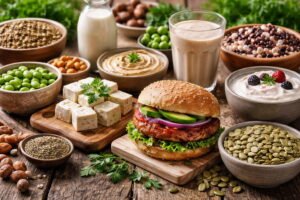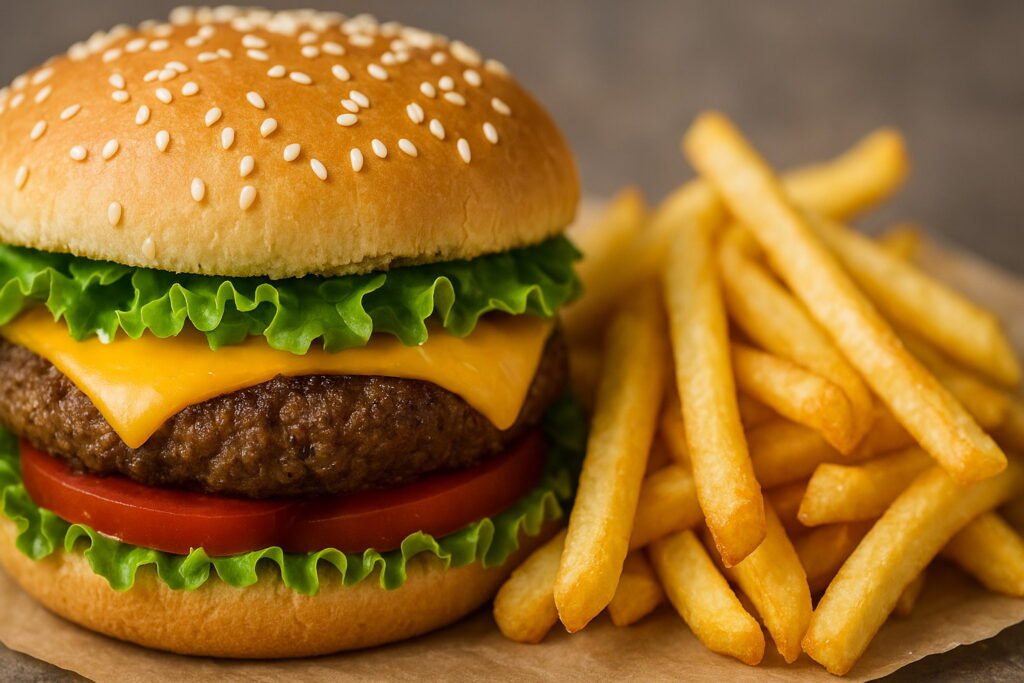
The phrase “soylent green in fast food 2026” has exploded across social media, food forums, and trend reports, capturing a mix of curiosity and unease. What began as a dystopian reference from a 1970s sci-fi film is now being used to describe the rapid rise of unconventional food technologies entering the fast-food industry. As chains adopt fermentation-based proteins, cultivated meats, and engineered ingredients, consumers are asking tougher questions about what they’re eating—and why those ingredients suddenly feel unfamiliar.
The year 2026 stands out because it represents a major turning point for global food systems. Accelerated by supply-chain demands, climate pressures, rising ingredient costs, and expanded investment in food-tech startups, fast-food brands worldwide are experimenting with alternatives at a pace not seen before. This shift has fueled speculation, memes, and misinformation—often summed up by the joking yet persistent fear: “Is fast food turning into soylent green?”
To separate myth from reality, this article unpacks the cultural weight behind the phrase, the science behind modern fast-food ingredients, and why this conversation matters for both consumers and the industry.
In This Article
What “Soylent Green” Symbolizes in Modern Food Culture
The term “Soylent Green” has taken on a symbolic meaning far beyond its cinematic origin. Today, it’s often used to express suspicion about mysterious ingredients or highly processed foods. In digital culture, the phrase has evolved into a shorthand for “food you can’t identify” or “ingredients Big Food isn’t telling you about.”
Why the Symbol Remains So Strong
- Mistrust of corporate food systems – Many consumers feel distant from the people who produce their meals.
- Unfamiliar terminology – Ingredients like microbial protein, precision-fermented dairy, and textured mycoprotein can sound intimidating.
- Memetic power – The internet thrives on exaggeration, and the phrase is perfect for meme culture.
Cultural Interpretations Today
- Used as satire in commentary about overly-processed foods.
- Invoked in debates about sustainability vs. natural eating.
- Referenced in critiques of mass-production food models.
- Applied metaphorically to fast-food menus that incorporate futuristic ingredients.
Modern Meaning vs. Film Origin
In the original story, Soylent Green was a stand-in for a desperate society’s ethical and environmental collapse. In 2026, the term has no connection to real food products—yet the cultural association persists due to fears about the unknown in food innovation.
The Rise of Alternative Proteins in Fast Food (2026 Context)
Across global fast-food chains, restaurants are aggressively testing and adopting next-generation proteins. These innovations are often misunderstood, and the comparison to soylent green in fast food 2026 emerges when people don’t fully understand how these foods are made.
Key Drivers Behind the Shift
- Lower production costs for alternative proteins compared to traditional meat.
- Consumer demand for sustainable choices with smaller environmental footprints.
- Supply variability in traditional meat markets post-2024 disruptions.
- Investment surges from major corporations and governments in food-tech solutions.
Types of Alternative Proteins Common in 2026 Fast Food
| Protein Type | Description | Fast-Food Application | Public Perception |
| Precision-Fermented Proteins | Proteins created by fermenting microorganisms | Cheese slices, creamy sauces, plant-based shakes | “High-tech but unfamiliar” |
| Mycoprotein | Fungi-derived protein with meat-like texture | Nuggets, patties, wraps | Seen as natural yet new |
| Cultivated Meat | Real animal cells grown in bioreactors | Premium burgers and limited-edition menu items | Fascination mixed with doubt |
| Plant-Protein Blends | Pea, soy, wheat, and fava combinations | Standard vegan/vegetarian items | Widely accepted |
Fast-Food Chains Innovating Rapidly
Examples of major global brands exploring these proteins:
- Burger chains offering blended beef-reduction patties.
- Fried chicken chains testing fermentation-based crispy tenders.
- Global coffee shops adopting lab-free dairy analogues for lattes.
Why These Innovations Trigger the “Soylent Green” Comparison
People often react strongly when:
- A food’s texture or flavor differs from expectations.
- Menu items shift rapidly without clear explanations.
- Ingredient names sound unfamiliar or too scientific.
Yet the truth is simple: none of these ingredients resemble the dystopian implications behind Soylent Green, but the cultural association continues because the term represents a symbolic fear of the unknown.
Ingredient Transparency and the Fear of “Soylent Green”
Concerns about what goes into fast-food meals have intensified in recent years, and 2026 amplifies this tension. As new technologies enter mainstream menus, some consumers interpret unfamiliar ingredient lists as proof that something is being hidden. This is where the phrase “soylent green in fast food 2026” becomes a punchline—and sometimes a genuine worry.
Why Transparency Matters More Than Ever
Fast-food chains have spent decades developing formulas designed for consistency, speed, and low cost. But 2026 consumers expect more:
- Clear sourcing information
- Ingredient lists that are easy to understand
- Statements about allergens and processing methods
- Honest marketing that avoids overpromising sustainability
These expectations shape how people interpret new ingredients. For example, a fermentation-derived protein might be completely safe and nutritious, but if it appears on a label as “microbial biomass ingredient,” many readers instinctively associate it with something experimental or unnatural.
Common Sources of Ingredient Anxiety
- Overly scientific names that sound synthetic
- Rapid menu changes without explanation
- Viral misinformation circulating on TikTok and Reddit
- Misleading headlines about lab-grown foods
- Old fears resurfacing, especially comparisons to dystopian films
How Fast-Food Brands Are Addressing Transparency
To avoid being associated with mysterious “soylent-type” foods, several chains are adopting:
- Ingredient explainers on websites
- In-app pop-ups describing food-tech innovations
- Farm-to-factory videos showing how new proteins are produced
- QR-code labels linking to real-time ingredient sourcing
- Partnerships with academic institutions for third-party verification
Transparency doesn’t just prevent confusion—it builds long-term trust, especially when dealing with unfamiliar food technology.
Soylent Green in Fast Food 2026: Public Reactions and Online Buzz
The public conversation around soylent green in fast food 2026 is fueled primarily by online communities. Discussions range from lighthearted jokes to genuine worries about engineered food sources. What stands out is how quickly narratives spread, even without factual grounding.
How the Conversation Spread
- Viral memes joking about mystery meat in fast-food burgers
- YouTube commentary channels analyzing food-tech trends
- TikTok “ingredient breakdown” videos—some accurate, others not
- Reddit threads speculating about fast-food production systems
- Food influencers testing new menu items and dramatizing reactions
A single phrase—“this tastes like Soylent Green”—can trigger thousands of comments within hours. Even when posted as humor, it reinforces the association between futuristic food and something vaguely alarming.
Examples of Online Reactions
Positive reactions:
- “Finally! A sustainable burger that tastes like the real thing.”
- “Fermentation protein is the future—love that chains are adopting it.”
Skeptical reactions:
- “If I can’t pronounce the ingredients, I’m not eating it.”
- “Why does this feel like Soylent Green 2.0?”
Humorous takes:
- “Plot twist: the new spicy nuggets are 78% Soylent Green.”
- “When your burger tastes too futuristic…”
Why Social Media Magnifies the Fear
- Quick, casual statements can easily be misinterpreted.
- Algorithms reward content that shocks or entertains.
- People often share reactions before verifying facts.
Online buzz shapes public understanding, and sometimes, the noise overshadows real science.
Scientific Reality: What’s Actually Inside 2026 Fast-Food Innovations
Despite the rumors and jokes, the reality behind 2026 fast-food innovation is considerably more grounded. The new proteins and ingredients entering menus are the result of decades of research, strict regulatory review, and collaborations between scientists, nutritionists, and major food companies.
What These New Ingredients Actually Are
Here’s a breakdown of what consumers are encountering in 2026:
| Ingredient/Technology | What It Actually Means | Safety Status | Common Use |
| Precision-Fermentation Protein | Microorganisms engineered to produce specific proteins (like dairy proteins) | Approved by major global regulators | Cheese, sauces, ice cream alternatives |
| Cultivated Meat | Real animal cells grown under controlled conditions | Highly regulated; sold in limited regions | Burgers, chicken filets |
| Mycoprotein | Nutrient-dense protein from fungi | Widely accepted for decades | Nuggets, patties |
| Plant Fiber Texturizers | Natural fibers used to improve texture | GRAS (generally recognized as safe) | Burgers, wraps, fillings |
| AI-optimized flavor compounds | Natural flavors created through data-driven processes | Strictly controlled | Seasonings, marinades |
Nothing in these ingredients resembles the dystopian substance associated with Soylent Green. Instead, the innovations focus on efficiency, sustainability, and improved nutrition.
What These Ingredients Are Not
- Not made from mysterious or undisclosed sources
- Not synthetic human-derived substances
- Not shortcuts for unsafe production
- Not created to deceive consumers
Scientific oversight ensures that new food technologies are tested extensively before hitting the market. Regulatory agencies require proof of safety, allergen control, nutritional transparency, and environmental assessments.
Expert Insight
Food scientist Dr. Maren Cole, known for her work in sustainable proteins, recently stated:
“The fear around futuristic proteins comes from unfamiliarity, not from evidence. Once people understand how these foods are made, the fear evaporates.”
This reinforces the idea that information—not speculation—is the key to overcoming the Soylent Green narrative.
Regulatory Oversight: Can “Soylent Green” Happen in Real Life?
The idea of soylent green in fast food 2026 implies that something questionable could slip into the food system unnoticed. In reality, that scenario is virtually impossible due to strict, multilayered oversight from global regulatory bodies. These agencies closely monitor every new ingredient, every processing method, and every production batch before it reaches the public.
Who Regulates Fast-Food Ingredients in 2026
- FDA (U.S. Food and Drug Administration) – Oversees safety of novel proteins, additives, and cultivated meat.
- EFSA (European Food Safety Authority) – Enforces some of the world’s strictest approval standards.
- FSSAI (Food Safety and Standards Authority of India) – Regulates imports, labeling, and food-tech trials.
- ASEAN Food Safety Network – Guides cross-border regulations in Southeast Asia.
- Local agricultural ministries – Monitor environmental impact and animal-cell-based product approvals.
What Regulations Require
Modern food-tech innovations must pass:
- Toxicology evaluations
- Allergen panels
- Microbial safety testing
- Environmental impact assessments
- Labeling transparency reviews
- Manufacturing facility audits
Any approval can take 3–7 years, depending on the region.
Regulatory Facts That Counter the “Soylent Green” Myth
- A new ingredient cannot enter the market without full identity disclosure.
- Fast-food chains must maintain digital traceability logs for every batch.
- Cell-cultured meats undergo stricter monitoring than conventional meats.
- Precision-fermentation proteins must prove molecular equivalence to traditional sources.
In short: there is no loophole for a dystopian ingredient to “accidentally” enter fast-food systems. Oversight is too thorough, and supply chains are too interconnected to allow hidden or unknown components to slip through.
Ethical Considerations Behind New Fast-Food Technologies
Ethics play a major role in how consumers interpret the idea of soylent green in fast food 2026. Even when ingredients are proven safe, people still consider the moral implications of engineered foods, large-scale production systems, and the long-term effects on society.
Core Ethical Questions Consumers Ask
- Is this food being produced responsibly?
- Does the technology respect the environment?
- Are animals being protected through reduced factory farming?
- Who profits from these innovations, and who gets left behind?
- Is the public being fully informed?
Key Ethical Advantages of 2026 Food-Tech
- Reduced animal slaughter through cultivated meat and mycoprotein.
- Lower greenhouse gas emissions than traditional livestock farming.
- Decreased land and water usage, easing pressure on ecosystems.
- Improved food security in regions prone to shortages.
Ethical Concerns Critics Raise
- Potential dominance of global corporations over small farms.
- Fear that cheaper production could encourage even more processing.
- Questions about long-term health effects of engineered proteins.
- Unequal access to healthier or more sustainable menu items.
Industry Efforts to Address Ethics
Many companies are pursuing:
- Ethical sourcing certifications
- Third-party audits from sustainability watchdogs
- Community-feeding programs
- Sustainable packaging commitments
- Open-access reports on emissions and farming impacts
Ethics aren’t just a marketing tool—they’re a competitive advantage. Brands that communicate clearly earn more trust and reduce the “Soylent Green” narrative.
Case Studies: Fast-Food Chains Facing “Soylent Green” Accusations
Several fast-food chains have already confronted public skepticism linked to futuristic ingredients. These real-world examples highlight how misunderstandings form—and how companies respond.
Case Study 1: Global Burger Chain Testing Cultivated Patties
A major burger chain introduced a limited-release cultivated beef patty in 2025 across Singapore, the UK, and California. Although the launch was scientifically celebrated, social media erupted with comments like:
“This is literally Soylent Green!”
How the company responded:
- Released a transparent explainer video showing the cell-culturing process
- Added an FAQ section clarifying safety approvals
- Let customers tour the pilot production facility via VR
Outcome:
Sales increased 22% in pilot cities after consumers learned the facts.
Case Study 2: Fried Chicken Brand Using Mycoprotein-Based Tenders
A well-known fried chicken chain launched fungal-protein tenders described as “crispy, juicy, and eco-friendly.” Within hours, TikTok creators began speculating about lab-grown organisms.
Company solution:
- Displayed ingredient cards in-store
- Partnered with a mycology expert for public Q&As
- Used packaging stating, “Grown from nature, not engineered from fiction”
Outcome:
Mycoprotein tenders became their top-selling limited-run item of the year.
Case Study 3: Coffee Chain Introducing Fermented Dairy Foam
A global coffee chain adopted precision-fermented dairy for foam toppings to cut costs and carbon footprint. Rumors quickly spread claiming the foam was “synthetic mystery milk.”
Brand response:
- Published nutritional comparisons showing equivalence to cow’s milk
- Added QR codes linking to ingredient sourcing
- Partnered with sustainability organizations to verify environmental claims
Outcome:
Customer acceptance grew after learning that the product was molecularly identical to the dairy they already consumed.
These cases demonstrate a pattern: panic spreads quickly, but transparency wins every time. Accurate information dissolves the Soylent Green narrative and helps consumers appreciate the value of modern food innovation.
Why the “Soylent Green” Comparison Persists in 2026
Even with scientific transparency and rigorous regulation, the comparison to soylent green in fast food 2026 refuses to disappear. The persistence of this narrative isn’t due to evidence—it’s rooted in psychology, culture, and the pace of technological change. Understanding why the comparison sticks helps explain larger trends in consumer perception.
Psychological Reasons
- Fear of the unknown: Humans instinctively distrust new food sources, especially when they sound technical or engineered.
- Discomfort with rapid change: The food-tech landscape is evolving so fast that people barely have time to understand one innovation before another arrives.
- Associative learning: When something tastes or looks unfamiliar, the mind leaps to what it remembers—including dystopian fiction.
Cultural Forces at Play
- Pop culture influence: Films like Soylent Green, Blade Runner, and The Matrix have deeply shaped how people imagine future food systems.
- Cynicism toward corporations: Long-standing skepticism toward “Big Food” primes the public to imagine hidden motives.
- Viral language: The phrase “Soylent Green” is catchy, dramatic, and instantly communicable, making it ideal for online discourse.
Historical Patterns
Food history shows the same reaction cycle appearing repeatedly:
- When pasteurization was introduced, people called it “unnatural.”
- When margarine hit the market, newspapers ran fear-based headlines.
- When GMOs arrived, misinformation exploded long before data caught up.
The comparison persists because society struggles to process fast innovation, especially when it reshapes something as personal as food.
The Future: Will Fast Food Move Beyond the “Soylent Green” Narrative?
Fast food in 2026 stands at a crossroads. On one side is the ongoing public anxiety symbolized by soylent green in fast food 2026. On the other side is a wave of innovation that could redefine sustainability, nutrition, and global access to affordable meals.
Trends That Suggest the Narrative Will Fade
- Greater ingredient familiarity: As people get used to cultivated meat, mycoprotein, and fermentation-derived foods, novelty anxiety will decrease.
- Better education: Schools, health organizations, and popular science platforms are already producing clearer explanations of food technology.
- Transparency becoming standard: Chains are embracing full ingredient disclosure as a marketing advantage, not just a compliance requirement.
- Mainstream media participation: Major outlets are publishing deep-dive features explaining food-tech practices in easy-to-understand language.
Where Fast Food Is Heading
Future menus may include:
- Hybrid meat products that reduce environmental impact.
- Energy-efficient fermentation-based breakfast items.
- AI-optimized nutrient blends tailored to consumer preferences.
- Fully traceable supply chains using blockchain or digital twins.
These advancements don’t resemble Soylent Green—they emphasize accountability, sustainability, and smarter food systems.
Consumer Trust Will Shape the Next Decade
The brands that thrive will be the ones that:
- Communicate openly
- Engage with local communities
- Invest in safe, transparent food technologies
- Treat sustainability as a core value
By 2030, the conversation may shift from fear of engineered foods to appreciation for their role in protecting the planet.
Conclusion: Understanding the Truth Behind the Hype
The conversation around soylent green in fast food 2026 is a blend of humor, caution, and cultural commentary. While online speculation fuels dramatic narratives, the real story is rooted in innovation, regulation, and evolving consumer values.
Modern fast food isn’t drifting toward dystopia—it’s undergoing a transformation driven by sustainability, safety, and science. The more people learn about the real technologies shaping their meals, the faster the Soylent Green comparison loses power.
For readers who want a grounded, evidence-based look at food-tech safety and regulation, the FDA provides clear information on novel food approvals and guidance: search “FDA food ingredient regulation” on fda.gov.